Most guides to a Yellowstone road trip start with a number: three days, five days, a week. The number comes first because it’s easy to write, but it hides the questions that decide the trip. Where do you enter? Which airport do you fly into and out of? Which part of the road system will you actually drive each day? Which roads are open when you go?
Yellowstone isn’t a collection of sights linked by short drives. It’s a large, seasonal road network, and its entrances, loop sections and the places you sleep shape the itinerary before you choose a single stop. This guide plans the trip in that order: arrival, road system, season, then itinerary. It’s Yellowstone-first, with Grand Teton covered as a connected leg, and it uses a Miles & Mapped framework called Yellowstone Trip Load.
Yellowstone and Grand Teton Road Trip at a Glance
| Planning Factor | What to Know |
|---|---|
| Road system | The Grand Loop is a figure-eight road system that connects most of the major sights and takes hours to drive before any stops |
| Entrances | Five main entrances in three states: North, Northeast, East, South and West (NPS) |
| Year-round access | The only road generally open year-round to regular vehicles runs from the North Entrance through the park to Cooke City (NPS) |
| Season | The NPS lists different projected opening and closing dates for different road segments, and says dates depend on weather |
| Services | Park facilities have operating dates, so check each one before you build a day around it |
| Speed | Road speeds are generally slow. Plan well below highway pace |
| Entrance requirements | Check current NPS entrance requirements before you go. They’re separate from lodging and campground reservations, which have their own booking rules |
| Trip shape | Set by where you enter and where you fly |
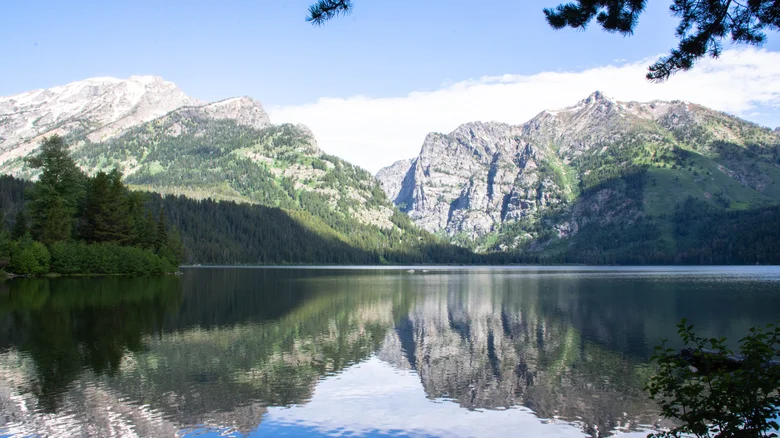
Why Day Counts Can Mislead
Published itineraries recommend anything from a long weekend to more than a week, and the range itself shows the problem. A day count assumes a day is a fixed unit. In Yellowstone it isn’t. The same day can hold a short drive between two sights or most of a loop, depending on where you start, how the traffic moves and what you stop for.
Mileage doesn’t settle it either. The Grand Loop covers substantial distance on slow roads, and driving it takes hours before a single stop. Real days include animal sightings, pullouts, parking and detours. Our guide to how many miles to drive in a day explains why miles aren’t hours, and Yellowstone is one of the clearest examples.
Choose Where You Enter and Where You Fly First
Where you fly and where you enter the park are separate decisions, and each affects the other. The airport sets where the trip starts and ends, which can create or remove a return leg before you’ve planned any sights. The entrance sets which part of the road system you reach first. Fly in and out of different airports and the trip is a one-way route with little backtracking. Fly in and out of the same airport and the trip is a loop, which usually means a return drive. That’s Return Load, the framework from our one-way vs. loop guide, and it applies to Yellowstone from the first booking.
The five entrances each serve a different gateway:
- North, at Gardiner, Montana
- Northeast, at Silver Gate and Cooke City, Montana
- East, from Cody, Wyoming
- South, from Grand Teton and Jackson, Wyoming
- West, at West Yellowstone, Montana
Each one drops you at a different point on the loop, and the entrance you choose strongly influences which section you reach first and where it makes sense to sleep. Airports and entrances don’t have to match. You might fly into one airport, enter the park through an entrance that isn’t the nearest one to it, and fly home from a different airport. Compare combinations by trip shape and the driving between them, and confirm rental terms and drop-off options.
Two questions help you choose. Which section do you want first, and how long is the drive from the gateway to the loop? That drive takes time of its own, so it belongs in the first day’s plan. Season matters too, because it can take an entrance off the table before you compare anything else.
The entrance is the first decision point, not the whole plan. It sets the starting position, and the road system sets what happens next.
Understand the Grand Loop
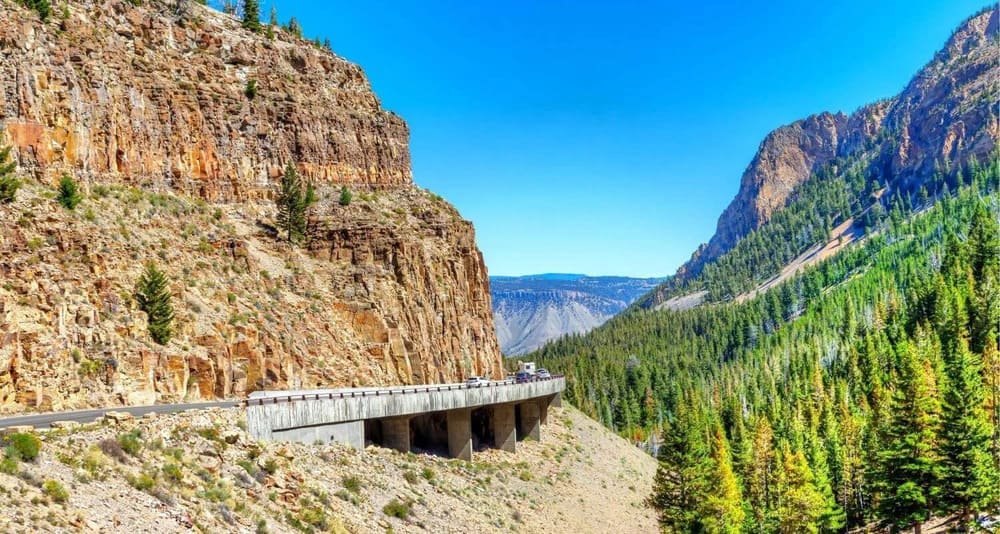
The Grand Loop Is Not One Drive
On a map, the Grand Loop looks like a single road. In practice, it’s two loops joined into a figure eight, and each part makes a different kind of day.
The Upper Loop covers the northern part of the park, including the Mammoth Hot Springs area, the Tower Fall area and the Canyon area. It suits travelers entering from the north or northeast, and it makes a long driving day with several stops spread far apart.
The Lower Loop covers the southern part, including Old Faithful, Yellowstone Lake and the geyser basins. It suits travelers entering from the west or south, and the sights there sit closer together, though the day can still fill with traffic and parking.
The two loops connect through the middle of the park, so there are also cross-park movements that don’t follow either loop. Those matter when your entrance and your overnight sit on opposite sides.
For each part of the road, ask what kind of day it creates, why it takes time, and where an overnight would reduce backtracking. A day that starts and ends on the same side of the park is a very different plan from one that crosses it twice.
Here is how that changes a plan. Say you enter from the west and sleep near the southern end. The Upper Loop then starts with a long cross-park drive. Move your second night to the north and the same day gets shorter. The sights are the same, and the plan is better because the overnight moved.
Plan Around Seasonal Road Access
Yellowstone isn’t one road system all year. The NPS says the only road generally open to regular vehicles year-round runs from the North Entrance through the park to Cooke City. Other segments open in stages, with the NPS publishing projected dates that differ by segment and carry a note that weather can change them. Roads typically open at a set morning hour, and delays can occur after they open.
Staged openings matter most in spring and fall. A trip near either end of the season may be able to drive some segments but not a full loop, so the plan has to start from what’s open, not from what you hoped to see. That’s the same hard-constraint logic our planning guide describes.
So the useful planning principle is not a date. It’s a habit: find the segments your itinerary depends on, check their status close to departure, and check again before you rely on one. The NPS offers a live road status map and alert options, and our road conditions guide explains how to match the source to the road. Facilities and services have operating dates of their own, so a road can be open while the service you wanted isn’t. Our winter road trip guide covers the park-open-but-road-closed problem, and our wildfire season guide covers closures and smoke.
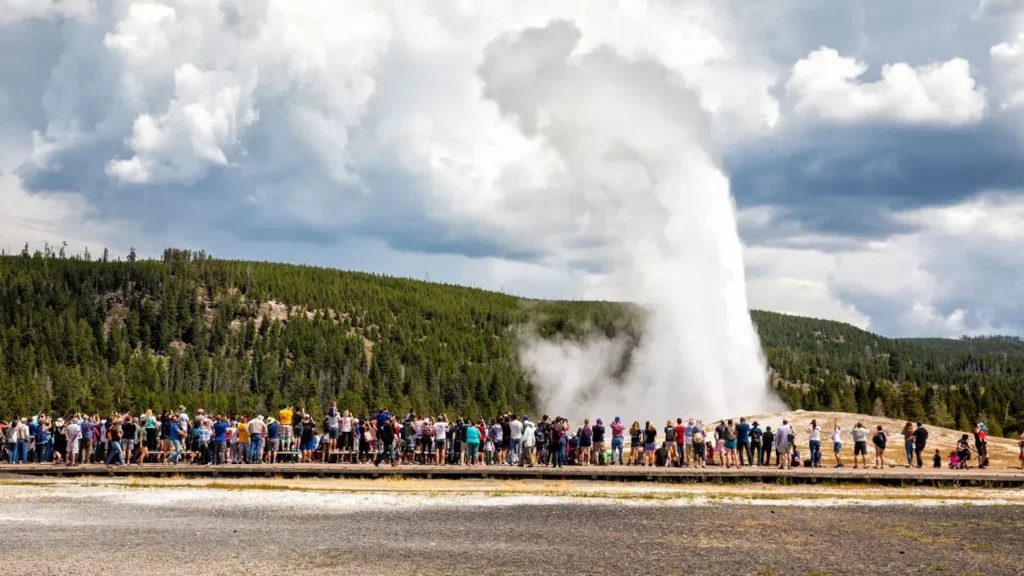
Yellowstone Trip Load
Yellowstone Trip Load is the amount of time and attention a route actually consumes beyond the mileage shown on the map. It’s a Miles & Mapped planning framework, not an NPS rating. It has five layers:
- Slow-road time. Road speeds are generally slow, and the route geometry adds time.
- Wildlife and traffic interruption. Animal sightings, pullouts, congestion and pedestrians can stop traffic.
- Distance between sights. The attractions aren’t close together, so “one more stop” has a real cost.
- Seasonal services. Fuel, food and lodging have operating dates.
- Closure exposure. How much of the plan depends on a segment that could close?
There’s no score to calculate. Ask the five questions before you commit a day. A day with a long cross-park drive, a stop for wildlife and a closed segment on the route can carry a high Yellowstone Trip Load even when the mileage on the map looks modest. Our Beartooth guide applies the same idea to a road with few exits, and our Blue Ridge Parkway guide applies it to one with many.
Why Mileage Understates the Time
A short stretch on the map can become a large part of a day. Wildlife viewing can stop traffic, pullouts take time, and parking at popular sights can change when you effectively arrive. Follow the current NPS wildlife-viewing guidance, and check it before you go. Treat these delays as normal, not as exceptions, and build slack into every driving day.
Where to Stay Without Creating Backtracking
This isn’t a lodging recommendation. It’s a question about position. The cheapest or most convenient room isn’t the best base if it adds hours of daily backtracking.
- Inside the park puts you near the loop, but lodging and campgrounds inside have their own operating dates and book separately.
- Gateway towns make a good base when the day’s plan starts near the entrance you used.
- Splitting your stay between two bases reduces backtracking on a long trip, at the cost of an extra move.
- Staying near Grand Teton fits trips that cross into Wyoming.
Use the road system to choose. If a day crosses the park twice because of where you sleep, the base is wrong, however good the room is. A useful test is to list the sections you want on each day, mark where each day starts and ends, and see whether one base covers them or whether the trip needs two.
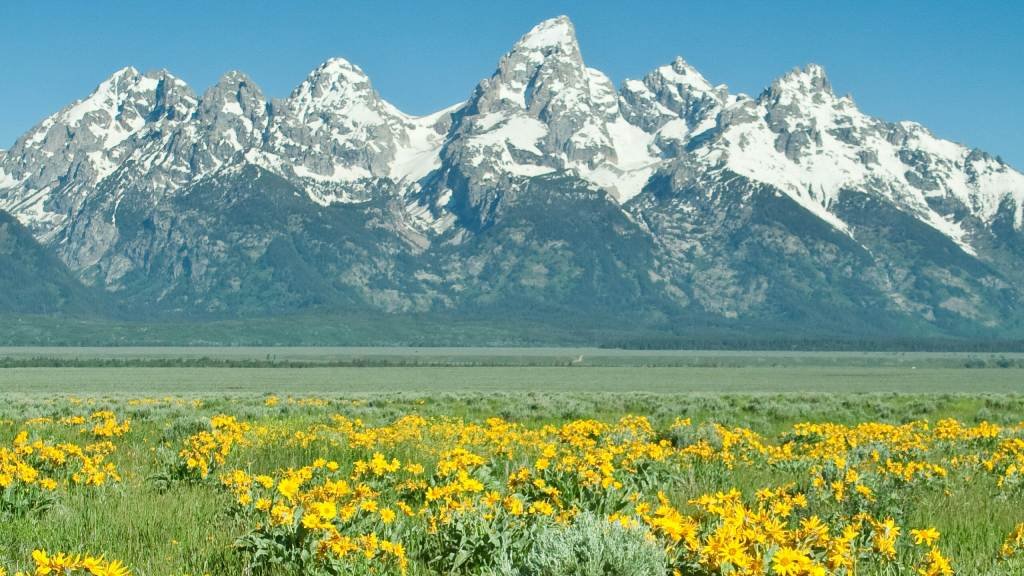
How Grand Teton Fits the Trip
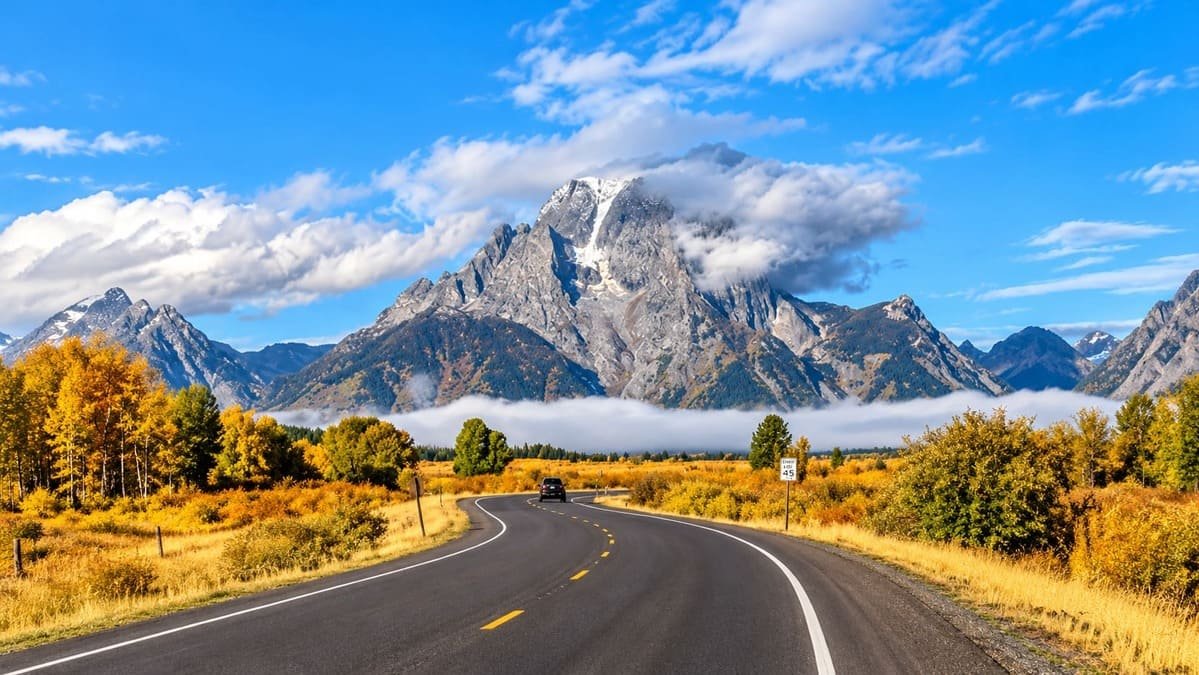
Grand Teton sits south of Yellowstone, and the John D. Rockefeller, Jr. Memorial Parkway links the two parks. Pairing them can make logistical sense, but the best order depends on your trip shape and on your arrival and departure points, not on a fixed sequence. Season and the time you protect for each park change how easy the connection is.
Three decisions shape the pairing:
- Direction. If you arrive in the north or west, Grand Teton comes after Yellowstone. If you arrive through Jackson, it may come first. Choose based on your arrival and departure points, not scenery.
- Return Load. Enter Yellowstone at one end and leave through Grand Teton, or the reverse, and the trip has little return leg. Make a loop back to your starting airport and you add one.
- Protected days. Decide how many days Grand Teton gets before you plan Yellowstone, because it’s easy to let Yellowstone absorb them.
The NPS’s Yellowstone road page links road conditions and construction updates for Grand Teton, so check it for both. For a deeper look at Grand Teton’s roads, entrances, seasonal access and itinerary options.
What About Beartooth Highway?
Beartooth Highway can turn a Yellowstone trip into a very different route, but treat it as a route-specific addition, not part of every northeast-entrance itinerary. It’s seasonal, and the plan depends on its status. See our Beartooth Highway guide.
How Many Days Do You Need?
The answer depends on how many loop sections you want, where you enter and exit, whether you add Grand Teton, the season, where you sleep, how much sightseeing you want and how much driving you’ll tolerate. These are planning ranges, not official recommendations.
| Time | What It Realistically Allows |
|---|---|
| 2 to 3 days | Focused Yellowstone highlights, on one loop or part of one |
| 4 to 5 days | Multiple loop sections without constant rushing |
| 6 to 7 days | Yellowstone plus a meaningful Grand Teton connection |
| Longer | A flexible route, hikes, wildlife viewing and slower travel |
These ranges assume the parks are meaningful destinations, not brief stops between other destinations. If you’re passing through on a longer route, they don’t apply. Confirm them against your own entrance, overnights and live routing.
Vehicle Considerations
Vehicle size can matter on some roads, charging availability affects an electric vehicle’s route, and an RV needs attention to road and campground limits. Seasonal weather can also change which routes are practical for a particular vehicle. Our EV road trip guide and RV road trip guide cover the detail.
Common Mistakes
- Planning Yellowstone from an attraction list and not from road sections.
- Choosing lodging without considering the entrance.
- Assuming the whole Grand Loop is equally accessible.
- Treating park mileage like highway mileage.
- Ignoring seasonal road access.
- Treating one entrance as interchangeable with another.
- Building every day around the same base.
- Adding Grand Teton without accounting for the trip shape.
- Treating wildlife and parking delays as exceptions.
- Not checking road status before each section.
FAQs
What is the best entrance to Yellowstone? It depends on where you’re coming from and which part of the loop you want first. Choose the entrance that fits your arrival point and your first overnight.
How many days do you need for Yellowstone? It depends on how many loop sections you want and how you plan to enter and leave. See the planning ranges above.
Can you drive the Grand Loop in one day? Covering the entire system in one day leaves little time for stops, wildlife, parking and delays, so it ends up a driving day more than a sightseeing day. Many visitors split it into two loops.
What is the best way to combine Yellowstone and Grand Teton? Choose a trip shape that avoids backtracking: enter one park, leave through the other, and fly home from the far end if the rental allows. Our one-way vs. loop guide explains the trade-offs.
Which airport is best for a Yellowstone road trip? The one that fits your route shape, not only your airfare. Compare airports by where they put you at the start and end of the loop.
Can you visit Yellowstone and Grand Teton in one week? Yes. A week can cover both parks if you choose a trip shape that limits backtracking and protect time for each.
Is the Yellowstone Grand Loop open year-round? No. The NPS says the only road generally open year-round to regular vehicles runs from the North Entrance to Cooke City. Other segments open seasonally.
Do you need reservations to enter Yellowstone? Requirements can change, so check the current NPS entrance requirements before you go. Entrance requirements are separate from lodging and campground reservations, which have their own booking rules.
PLAN YOUR TRIP YOUR WAY
Build a day-by-day itinerary around your time, pace, interests, and budget.
Decide the entrance, the airport and the trip shape first, then choose the stops. Start with the Miles & Mapped trip planner.