The best national park road trip isn’t the one that fits the most parks. It’s the one that gives you enough time to actually experience the parks you’ve chosen. A map can make three parks look like a natural loop, but that doesn’t mean it’s an efficient three-park itinerary — the real question isn’t whether you can drive between them; it’s whether you can give each one enough time to make the detour worthwhile.
This guide helps you choose a region, estimate how many parks realistically fit your time, and decide when adding another park stops improving the trip and starts working against it.
National Park Road Trips at a Glance
| Planning factor | Practical approach |
|---|---|
| Trip length | Count park days, not just parks |
| Route distance | Travel time between parks counts against your park time |
| Park size | A large, complex park deserves more days than a compact one |
| Region | Choose based on the experience you want, not just proximity |
| Season | Highly region- and elevation-dependent |
| Preparation | Check current conditions for each specific park before you go |

How Many National Parks Should You Visit?
Start With Park Days, Not Park Count
Instead of counting parks, count meaningful park days. Three parks at one rushed day each isn’t necessarily a better trip than two parks at two days each — it’s often a worse one. A park day should be enough time to actually experience the reason you came, whether that’s a scenic drive, a hike, wildlife viewing, photography, or some combination of all of it. Treat one full day per park as a baseline, not a rule: a compact park visited mainly for scenic driving may need less, while a large park with multiple districts or serious hiking can easily need more.
This is the same Trip Load principle behind our daily-mileage and single-route guides, applied to a whole trip rather than one day: the total demands of a route — driving, parking, hiking, checking in and out, navigating — matter more than the raw distance between stops.
Account for Park Complexity
Park count alone doesn’t tell you enough. A low-complexity park is compact, has limited major districts, and is easy to access by road. A medium-complexity park has several distinct areas, moderate hiking, and real internal driving between them. A high-complexity park has multiple districts, long internal drives, shuttle systems, and major hikes or access considerations. Two “one-park” days can mean very different trips depending on which kind of park you’re talking about.
When a Multi-Park Trip Becomes Too Much
A multi-park road trip works well when the parks are genuinely clustered, the drive between them is part of the appeal, and each one gets meaningful time. It works less well when most of the trip is highway driving between stops, the parks are widely separated, you only have a few days, every night means a new check-in, and the schedule has no room for weather or a slow morning. If your itinerary is mostly transit with parks as brief stops along the way, that’s a sign to cut a park rather than add one.
Best National Park Road Trips by Region
Southwest: Utah’s Mighty 5 and the Grand Canyon

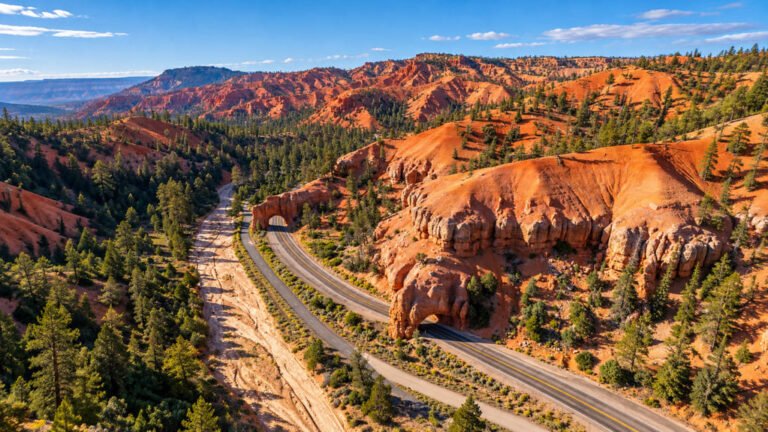
Zion, Bryce Canyon, Capitol Reef, Arches, and Canyonlands form a practical multi-park road-trip corridor, although the driving between them still takes a meaningful share of your trip — this is the classic multi-park road-trip structure for good reason. See our Utah Mighty 5 guide for the full route. Adding the Grand Canyon is a natural extension for travelers with more time, but it isn’t automatically an improvement if it eats into the time you’d otherwise give the Utah parks — see our Grand Canyon guide for what to consider before adding it to the route.
Rockies: Rocky Mountain National Park
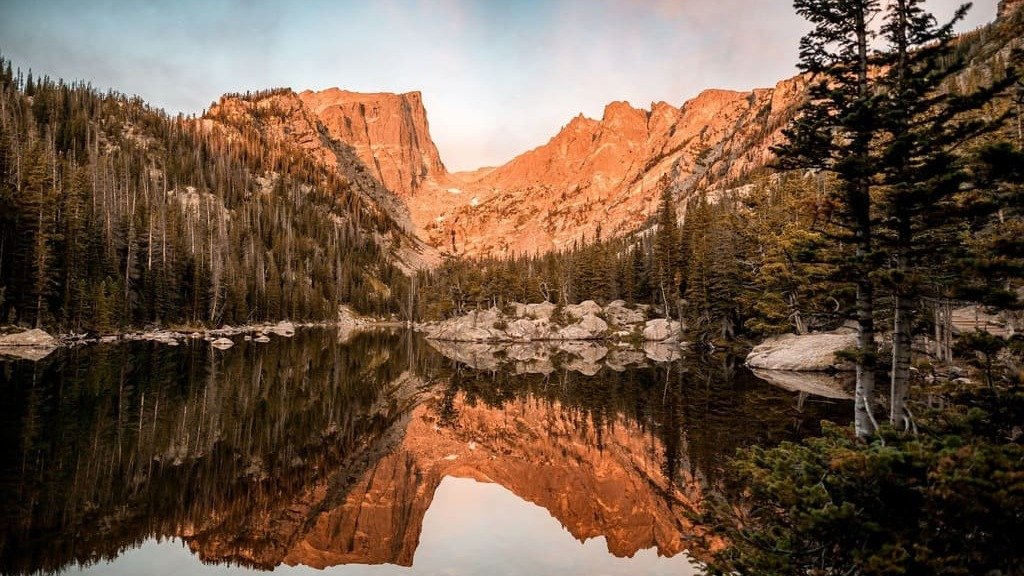
A Rocky Mountain road trip can center on one major park rather than trying to combine several parks simply because they’re geographically nearby. Trail Ridge Road is one of the major experiences within Rocky Mountain National Park, so you don’t need to add another national park simply to make the road trip feel substantial. See our Trail Ridge Road guide for route and timing details.
Pacific Northwest: Olympic, Mount Rainier, and North Cascades

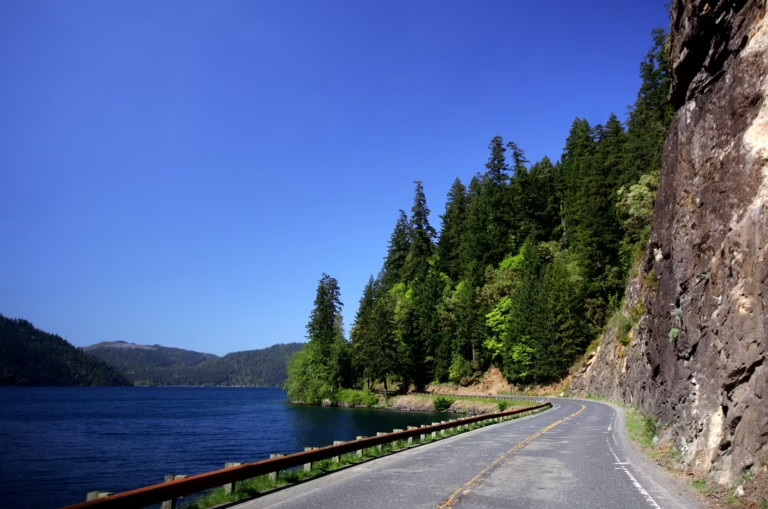
Olympic, Mount Rainier, and North Cascades can look like a natural three-park combination on a map, but geography and access roads make this less straightforward than it appears — Olympic in particular has no road crossing its interior, so its destinations are reached by separate approach roads around the peninsula. See our Washington Road Trip guide for how to think through which of these regions actually fits your available time.
California: Yosemite, Death Valley, and Joshua Tree
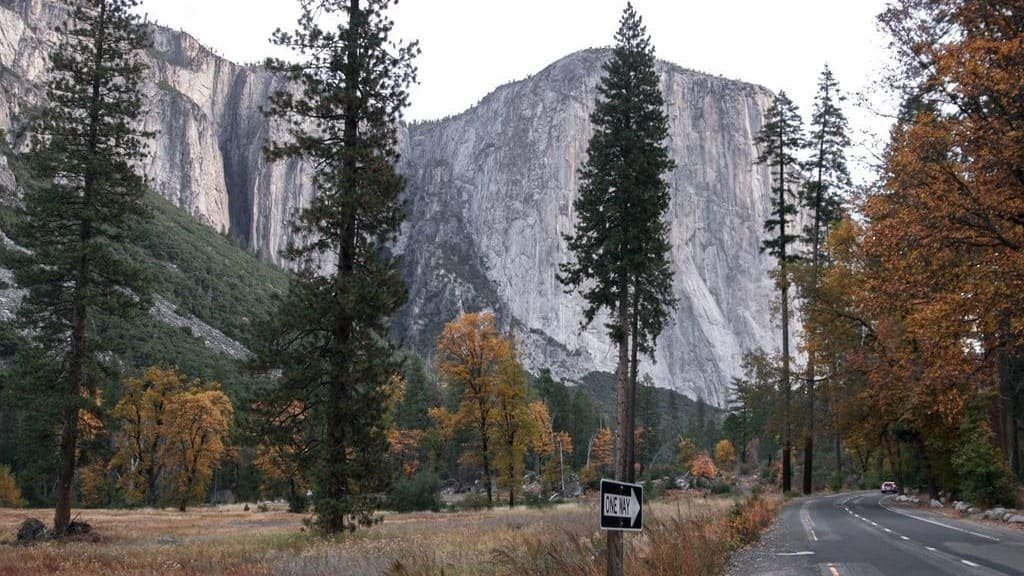
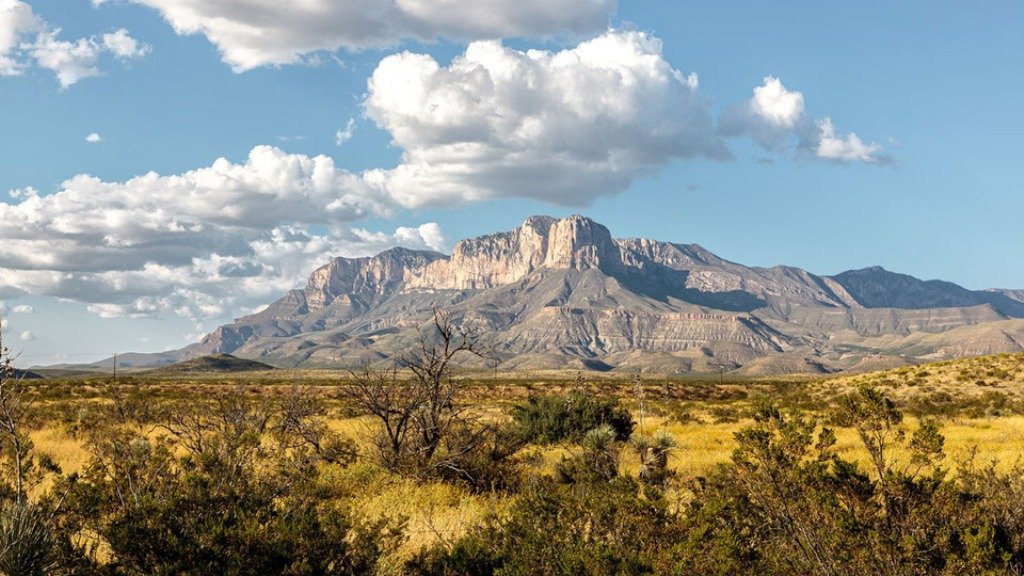
California can tempt travelers into overpacking the itinerary because several major national parks can be combined with other major road-trip destinations within a single trip. The more useful question isn’t what each park offers — it’s which combination actually makes sense for your available time and starting point. Yosemite alone can absorb several days given its size, while Death Valley and Joshua Tree pair more easily into a shorter desert-focused loop. If heat and timing are part of your decision, see our desert road trip timing guide, and if you’re launching from LA specifically, our Best Road Trips From Los Angeles guide breaks several of these down by realistic drive time.
Other Regional Clusters
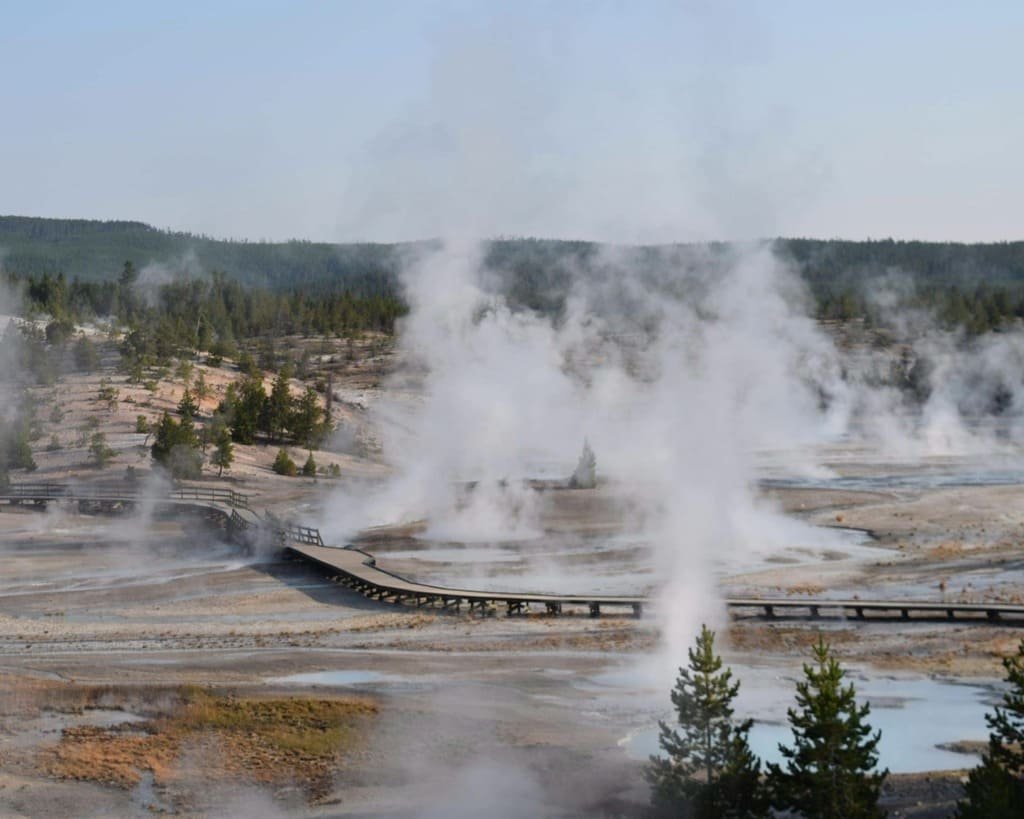
The same regional-cluster logic extends well beyond these four: Yellowstone and Grand Teton, Glacier and Yellowstone, Zion and Bryce Canyon on their own, the Great Smoky Mountains alongside other Appalachian destinations, Acadia paired with the rest of New England, and the Everglades within a broader South Florida trip. Not every cluster needs its own deep breakdown here — the model is the same one described above, matching park proximity and complexity to the time you actually have.
Choose Your Region First
| If you want… | Consider… |
|---|---|
| Multiple parks in a compact region | Southwest |
| Alpine scenery | Rockies |
| Forest, coast, and mountains together | Pacific Northwest |
| Desert landscapes | Southwest or California |
| A scenic-driving-focused experience | Utah or the Rockies |
| A shorter, park-focused trip | One major park |
| High landscape variety | California or the Pacific Northwest |
How Many Days Do You Need for a National Park Road Trip?
One park: 3–5 days can work well, depending on the park’s size and complexity.
Two parks: 5–7 days gives real flexibility without rushing either one.
Three parks: 7–10 days becomes a useful planning range.
Four or more parks: 10–14+ days, depending heavily on the geography connecting them.
These are planning ranges, not rules — and travel time between parks counts against your available park time, not separately from it. They also assume the parks are reasonably connected; a geographically spread-out combination may require considerably more time than these ranges suggest.
When Is the Best Time for a National Park Road Trip?
National park road trips are highly seasonal, but the right season depends on the specific region and elevation involved. A route that works well in summer may be impractical or partially inaccessible in winter, and a park being open doesn’t mean every road, trail, campground, or visitor facility inside it is operating normally. See our winter road trip planning guide for how to check route status before committing to a cold-weather trip, and our desert road trip timing guide for the opposite problem in hot regions.
How to Prepare
Download offline maps, plan food and water for stretches with limited services, pack layers for real temperature swings between low desert and high mountains, and bring appropriate hiking footwear and basic emergency supplies. Check reservation and permit requirements for each specific park well before you go, since these vary park by park and change over time. See our full road trip packing list for the complete checklist.
How to Choose the Right National Park Road Trip for You
Choose a region based on the experience you actually want and the time you actually have, rather than trying to collect as many parks as possible. For many travelers, a week is better suited to two well-paced parks in one region than a rushed pass through three, while two weeks can allow three or four parks without turning every stop into a checklist.
Common Mistakes
- Counting parks instead of counting park days.
- Treating driving time between parks as sightseeing time.
- Trying to visit too many parks for the time available.
- Ignoring how much a single large or complex park actually needs.
- Building an itinerary around map distance alone.
- Assuming every road or facility inside a park is open just because the park is.
- Changing hotels every night when a central base or two-night stay would work better.
- Leaving no buffer for weather, fatigue, or a slower morning than planned.
FAQs
How many national parks can you visit in a week? One to two parks is a useful planning range for a week-long trip when experiencing the parks is the priority. Three or four can be possible, but the amount of driving and time spent in each park needs to be considered carefully.
Can you visit three national parks in a week? Yes, but whether it makes sense depends on the parks’ geography, size, and how much time you want to spend inside each one. Three compact or closely connected parks can work, while three large parks separated by long drives can turn a week into a transit-heavy itinerary.
What’s the best national park road trip for a first-timer? There isn’t one universal first choice. For travelers with about a week who want multiple parks in one region, Utah’s Mighty 5 offers a particularly compact multi-park structure. Travelers who prefer a single park can instead build a deeper trip around Rocky Mountain, Olympic, the Grand Canyon, or another park that matches their interests and season.
Can you combine national parks from different regions in one trip? You can, but travel time between distant regions eats into your park time fast — a trip confined to one region, like the Southwest or the Rockies, usually gives you more actual park time for the same number of days.
How do you decide how many days to spend at each park? Start with a full day as a baseline, then adjust for the park’s complexity — a compact, scenic-drive-focused park may need less, while a large park with multiple districts or serious hiking usually needs more.
Is it better to visit fewer parks with more time, or more parks with less time? If your priority is experiencing each park rather than simply collecting destinations, fewer parks with more time in each generally produces a less rushed itinerary.
What’s the best time of year for a national park road trip? It depends heavily on the specific region and elevation — a Rocky Mountain or Pacific Northwest trip is a different seasonal question than a desert Southwest one, so check the relevant guide for your region rather than assuming one universal answer.
PLAN YOUR TRIP YOUR WAY
Build a day-by-day itinerary around your time, pace, interests, and budget.
Tell our trip planner where you’re starting, how many days you have, and what kind of scenery or parks you want to experience. It can help turn that into a realistic route instead of a checklist of places.