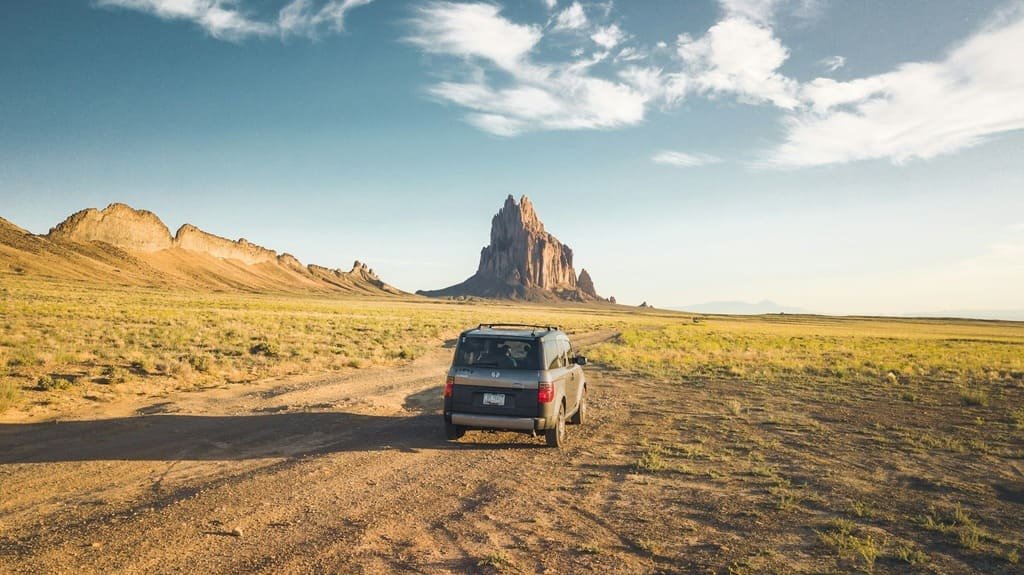
The best time for a desert road trip depends on what you plan to do once you get there, and how much heat your itinerary can realistically absorb. A comfortable scenic drive with short stops at overlooks is a very different proposition from hiking an exposed trail at noon in July. Both are “desert road trips,” but they need very different timing.
This isn’t just another “spring and fall are best” article. Choose your season based on the experience you actually want, then adjust your itinerary to match the conditions you’ll be driving into — including if summer turns out to be your only option.
Desert Road Trip Timing at a Glance
| If you want… | Start by considering… |
|---|---|
| Comfortable hiking | Spring or fall |
| Cooler daytime temperatures | Winter |
| Long scenic drives with frequent stops | Spring or fall |
| Fewer crowds at some destinations | Shoulder season or winter, depending on the park |
| Summer travel | Early starts and shorter exposed activities |
| A trip to an extreme-heat destination | Check current park advisories before you leave |
There’s no single “best month” that applies everywhere — conditions differ substantially between Death Valley, Joshua Tree, southern Utah, and the Grand Canyon.
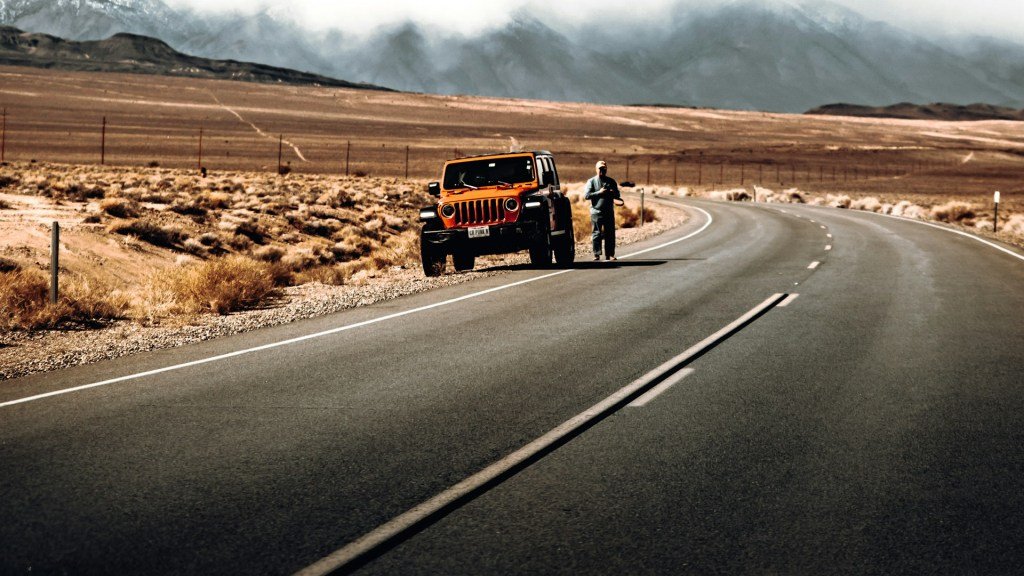
Why Desert Heat Changes the Way You Plan
The Death Valley Example
Furnace Creek, in Death Valley National Park, holds the hottest temperature ever recorded on Earth: 134°F, set on July 10, 1913. That’s an extreme example, but it makes a real point — desert heat isn’t just uncomfortable, it can make certain activities genuinely unsafe if you don’t plan around it.
Why Driving and Hiking Are Different
A traveler can be perfectly comfortable moving between viewpoints in an air-conditioned car while being badly unprepared for a two-mile exposed hike at midday. The car protects you from the heat; the moment you step out of it, that protection disappears. Planning for a desert road trip means planning for both halves of the day separately, not just the driving portion.
NPS guidance for hot-weather hiking in Death Valley and Joshua Tree includes avoiding low-elevation hiking after 10am during extreme heat, and carrying roughly a quart of water for every hour spent hiking. That’s park-specific hiking guidance, not a universal prescription for every desert traveler — your own water needs depend on exertion, conditions, and you. But it’s a useful benchmark for planning around, and it’s worth distinguishing water for hiking from the broader hydration you’ll want just for a day of driving and stops.
What Extreme Heat Does to Your Itinerary
Heat acts as an itinerary multiplier. A 400-mile day in comfortable spring weather isn’t the same as a 400-mile day that includes 105°F+ temperatures, several exposed stops, limited shade, crowded parking, and constant hydration management. The mileage might be identical, but the actual demands on you are not.
Best Time for a Desert Road Trip: Season by Season
Spring
Generally the most favorable stretch for hiking, with comfortable daytime temperatures and good conditions for longer trails. It’s also one of the more popular times to visit, so expect more crowds at well-known stops. Conditions can vary noticeably between lower desert floors and higher-elevation sections of the same route.
Summer
Extreme daytime heat at lower elevations is the defining feature. Early starts and shortened hiking windows become necessary, vehicles work harder in the heat, and it’s worth building in indoor or low-exposure options for the hottest part of the day. Some destinations issue dynamic heat advisories or closures during the worst stretches, so check current conditions rather than assuming last year’s plan still applies.
Fall
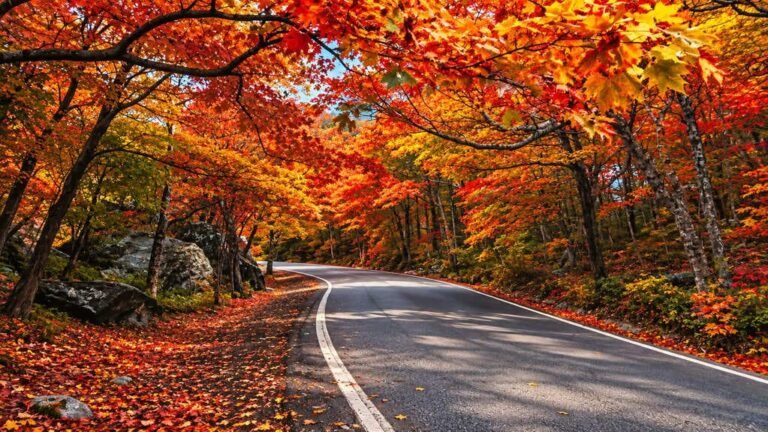
Temperatures improve steadily through the season, hiking conditions are generally good, and daylight hours shorten as the season goes on. This tends to be one of the stronger overall windows for combining driving and hiking.
Winter
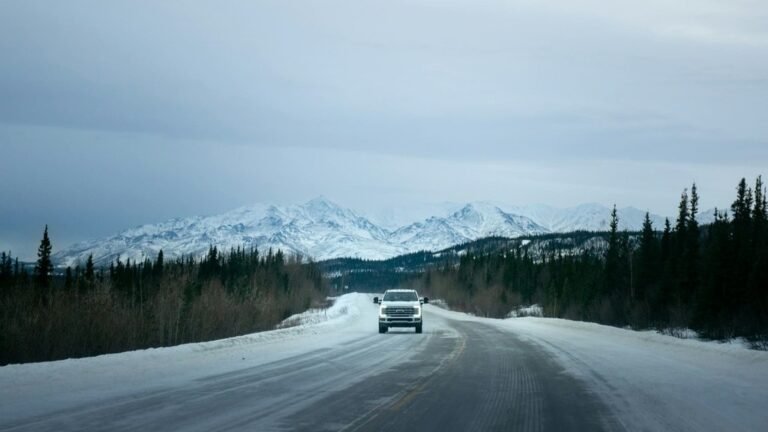
Cooler and often cold, especially in the mornings and at night, with shorter daylight overall. Don’t assume “winter equals easy everywhere” — a desert road trip can cross significant elevation changes, and higher sections of a route can see snow or ice even while the desert floor stays mild.
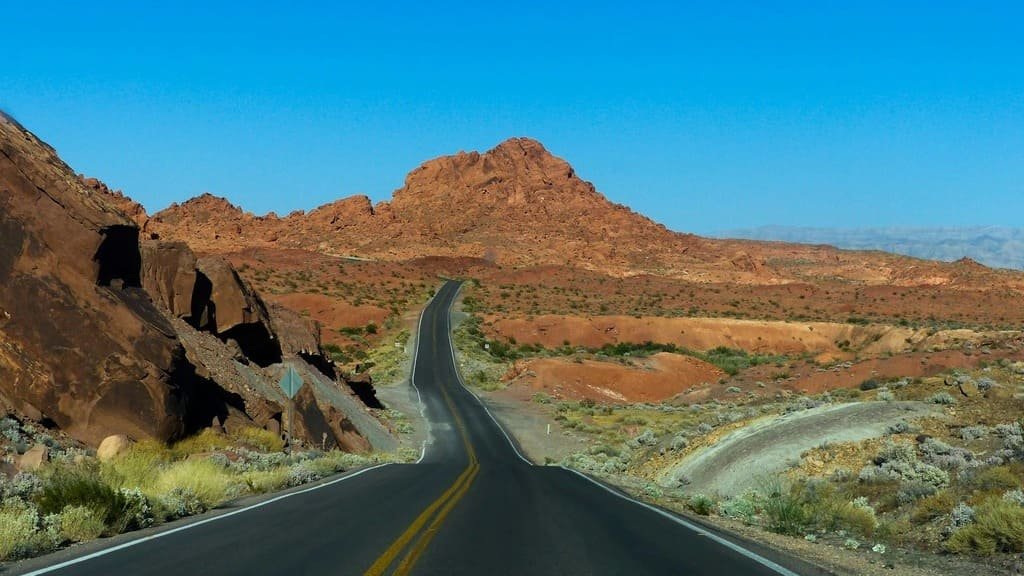
Desert Road Trip Timing by Month
| Period | Typical planning character | Best suited to |
|---|---|---|
| Jan–Feb | Cool to cold, shorter daylight | Scenic drives, lower-elevation stops |
| Mar–Apr | Increasingly comfortable | Hiking and road trips together |
| May | Heat increasing | Morning activities, scenic driving |
| Jun–Aug | Extreme heat at lower elevations | Early starts, limited outdoor exposure |
| Sep | Heat starting to ease | Flexible, adjustable plans |
| Oct–Nov | Generally favorable | Hiking and scenic drives |
| Dec | Cool to cold | Lower-elevation exploration |
Treat this as general planning guidance, not a substitute for checking an actual forecast before you go.
If Summer Is Your Only Option
Summer doesn’t have to be written off — it just needs a different plan.
Start earlier. Move exposed activities into the coolest part of the day, which in the desert usually means well before mid-morning. A trailhead you’d normally hit at 9 am might need to happen closer to sunrise instead.
Change the activity mix. Trade long midday hikes for scenic drives, visitor centers, shorter trails, and viewpoints, and save longer vehicle transfers for the hottest stretch of the afternoon when you’d rather be in the car anyway. A visitor center with air conditioning and exhibits can genuinely fill an hour or two that would otherwise be spent uncomfortably outside.
Reduce your Trip Load. Fewer stops, more buffer time, and lower expectations for how much you’ll fit into a single day all help absorb the extra demands heat puts on a trip. An itinerary that looked reasonable on paper in March can feel overloaded in July even with the same number of stops.
Watch your vehicle. Check your tires before you leave, confirm your air conditioning is actually working well before a remote stretch, keep fuel levels comfortable rather than running low in areas with few services, and don’t leave the car sitting fully loaded in direct sun longer than necessary. A breakdown that’s a minor inconvenience in October can become a genuine safety issue in August.
Check conditions before you leave. Extreme-heat advisories and closures are issued dynamically, so check the relevant National Park Service or state agency pages immediately before departure rather than relying on what you read while planning weeks earlier.
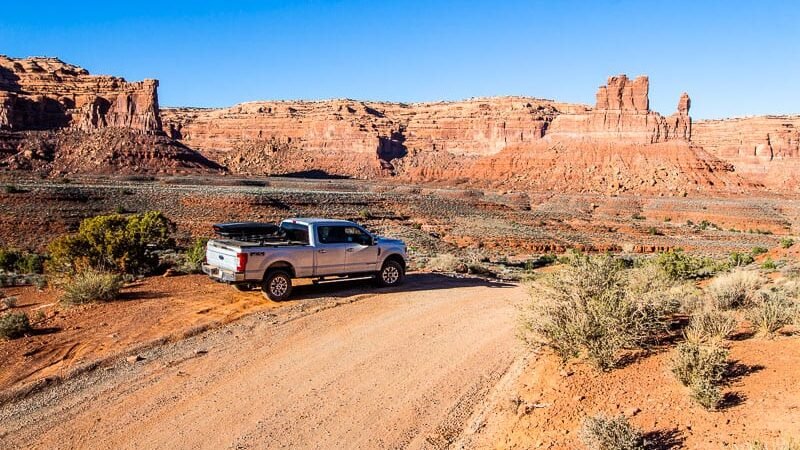
How Heat Changes Your Daily Trip Load
The same Trip Load idea that applies to mileage and stops applies just as directly to heat. Add hydration management, shorter activity windows, more frequent shade breaks, and a car that needs more attention, and a day that would be easy in spring can become genuinely demanding in summer, even with the same itinerary on paper.
Which Trip Are You Actually Planning?
If you’re mostly hiking, prioritize the cooler seasons and plan around early starts even in spring and fall — trailheads with real elevation gain or exposed sections benefit from a morning start regardless of month.
If you’re mostly scenic driving, you have more flexibility on timing, but you still need to account for extreme heat at the stops themselves — getting out of an air-conditioned car into 110°F for even a short overlook walk is a different experience than driving past it.
If you’re combining multiple national parks, pay close attention to elevation differences between them. A single itinerary might swing from a low desert floor to a mountain pass a few thousand feet up, and each needs its own read on conditions rather than one blanket plan for the whole trip.
If you’re traveling with kids or a dog, build more conservative activity windows and more frequent stops than you would traveling alone — both have less tolerance for heat and less ability to tell you when something’s wrong.
Which Desert Parks and Routes Does This Apply To?
Utah’s Mighty 5 cross a genuinely wide range of elevations in a single trip — Zion’s canyon floor sits far lower and hotter than Bryce Canyon’s rim, so an itinerary built for one doesn’t automatically work for the other. See our Utah Mighty 5 guide for route-specific timing across all five parks.
The Grand Canyon has a real, sometimes dramatic temperature difference between the South Rim and the inner canyon. A hike that starts comfortable at the rim can turn into a serious heat problem well before you reach the canyon floor, which is part of why rangers routinely warn against attempting a rim-to-river-and-back hike in a single day during summer.
Death Valley is the most extreme example on this list by a wide margin, and deserves the most caution specifically in the summer months — this is the one park on this list where checking current conditions immediately before you go matters most.
Joshua Tree sits at a more moderate elevation than Death Valley but still gets genuinely hot in summer, with the same low-elevation hiking guidance applying, and its popularity means popular trailheads can also mean less shade competition for parking during cooler shoulder-season weekends.
What to Pack for Desert Heat
Beyond the general essentials in our full road trip packing list, desert heat specifically calls for more water than you think you’ll need, sun protection, lightweight breathable clothing, and a plan for keeping both people and pets safe in the car. If you’re traveling with a dog, never leave them unattended in a parked vehicle in extreme heat — see our full guide to road-tripping with a dog for more on planning a hot-weather trip with a pet along.
Common Mistakes
- Treating the entire Southwest as though it has one climate.
- Planning a long, exposed hike for the middle of the day.
- Assuming an air-conditioned car eliminates the risk once you step out of it.
- Packing enough water for the drive but not for the actual activities.
- Ignoring elevation changes between stops on the same route.
- Following an old itinerary without checking current park alerts and closures.
FAQs
What’s the best time of year for a desert road trip? Spring and fall generally offer the most comfortable balance of hiking and driving conditions, though the right choice depends on which parks you’re visiting and what you plan to do there.
Is it safe to do a desert road trip in summer? It can be, with adjustments — earlier starts, shorter exposed activities, extra attention to your vehicle, and checking current heat advisories before you leave.
How hot does it actually get in places like Death Valley? Furnace Creek in Death Valley holds the record for the hottest temperature ever recorded on Earth, 134°F in 1913, and summer highs regularly exceed 120°F.
How much water should I bring for desert hiking? NPS guidance for parks like Death Valley and Joshua Tree suggests roughly a quart per hour of hiking in hot conditions, though your own needs vary with exertion and conditions.
Does winter solve the heat problem entirely? Not necessarily. Desert routes often cross significant elevation changes, and higher sections can see cold temperatures, snow, or ice even while the desert floor stays mild.
Do I need to change my whole itinerary if I’m stuck traveling in summer? Not entirely — shift exposed activities to early morning, swap some hikes for scenic drives and indoor stops, and build in more buffer time than you would in a cooler season.
PLAN YOUR TRIP YOUR WAY
Build a day-by-day itinerary around your time, pace, interests, and budget.
Use our trip planner to build an itinerary around your actual travel dates, driving preferences, stops, and available time, adjusted for the season you’re traveling in.