
The best road trips from Los Angeles aren’t necessarily the farthest or most famous destinations. Sometimes, the perfect escape is simply the place you can reach before the traffic turns a relaxing weekend into a long day behind the wheel. LA puts you within easy reach of beaches, mountains, deserts, wine country, and even neighboring states, but how enjoyable the trip feels often comes down to something as simple as when you leave LA.
A drive that looks like two hours on a map can feel very different when you’re sitting in stop-and-go traffic on a Friday afternoon. That’s why this guide isn’t just about where to go — it’s about how long the drive really takes, when to leave LA, what time of year makes sense, and how much time you actually need once you get there. Whether you have one day, a long weekend, or several days to spare, the goal is to help you choose a road trip that feels like a getaway rather than another commute.
Road Trips From Los Angeles: Quick Planning Guide
| Drive-time band | How to think about it | Best suited to |
|---|---|---|
| Under 2 hours | Short escape or day trip | A single day or a quick overnight |
| 2–4 hours | Weekend territory | A full weekend |
| 4–8 hours | Long weekend or multi-day | 3–5 days |
| 8+ hours | A proper road trip | A week or more |
Drive times here are approximate planning ranges from the greater Los Angeles area, not fixed numbers — your actual time can vary substantially by starting point, departure time, traffic, weather, and destination entrance conditions.
Why Departure Timing Matters So Much in Los Angeles
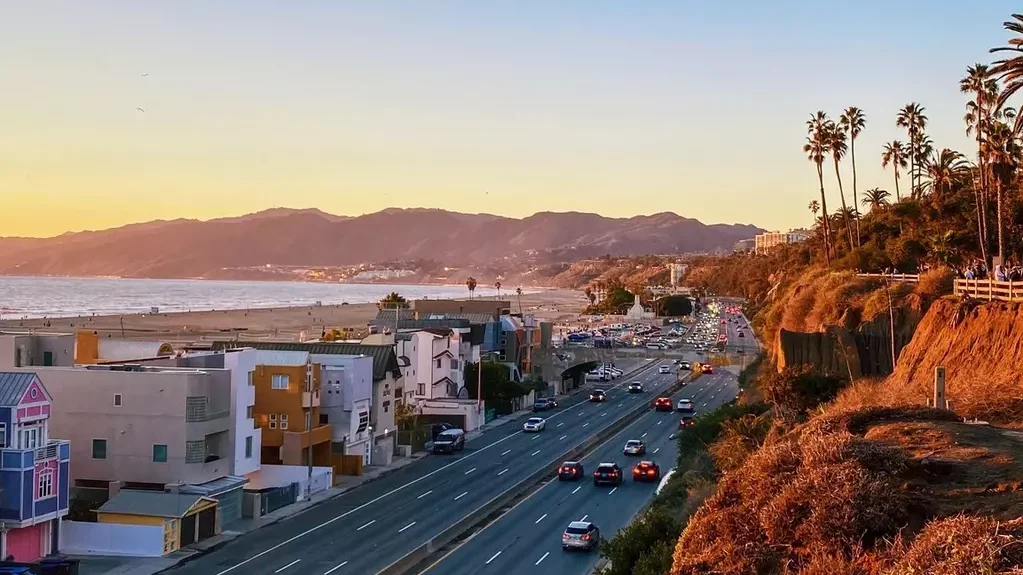
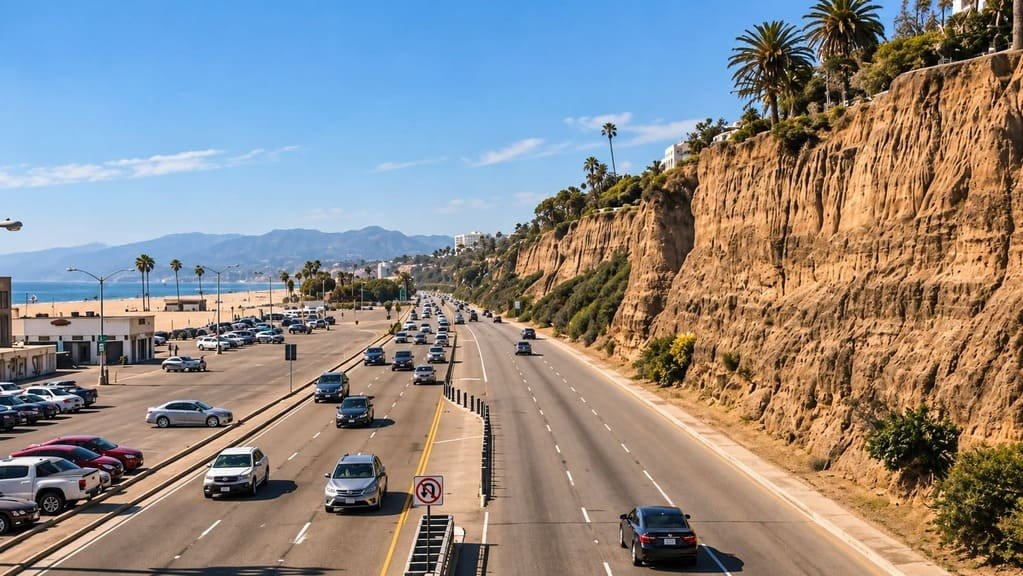
A 2-hour destination isn’t necessarily a 2-hour trip. Los Angeles ranked as the most congested city in the country in 2025’s TomTom Traffic Index, with an average congestion level of nearly 60% and drivers losing about 80 hours a year to rush-hour delays alone. A 10km stretch that takes about 19 minutes at typical morning rush hour can take over 24 minutes during the evening peak — and those are averages, not worst-case scenarios.
For many destinations, leaving before the morning commute or after the worst afternoon peak tends to produce a much more predictable start than departing during the weekday afternoon or evening peak. That said, direction matters as much as time of day. Santa Barbara traffic runs mostly along US-101, Palm Springs and Joshua Tree along I-10, San Diego along I-5, and Las Vegas along I-15 — each freeway has its own peak patterns, so the “right” time to leave LA isn’t identical for every destination on this list.
A Simple Rule for Planning an LA Road Trip
If your destination requires crossing a major LA freeway during a peak period, don’t use a free-flow navigation estimate as your actual planning time. Instead, identify which freeway controls the first stretch of your trip, check current conditions before you leave LA, add a realistic buffer, and decide whether leaving earlier is worth more to you than sleeping in. Caltrans’ QuickMap tool is a reasonable place to check live conditions right before departure rather than relying on what you assumed while planning.
Which Freeway Are You Fighting?
I-405 generally controls Westside, Orange County, and coastal-direction trips.
I-10 is the road to Palm Springs and much of the desert.
I-5 carries San Diego-direction and major northbound routes.
I-15 is the route to Las Vegas and much of the Inland Empire desert corridor. Knowing which one applies to your trip is the first step to planning around it realistically.
2–4 Hours
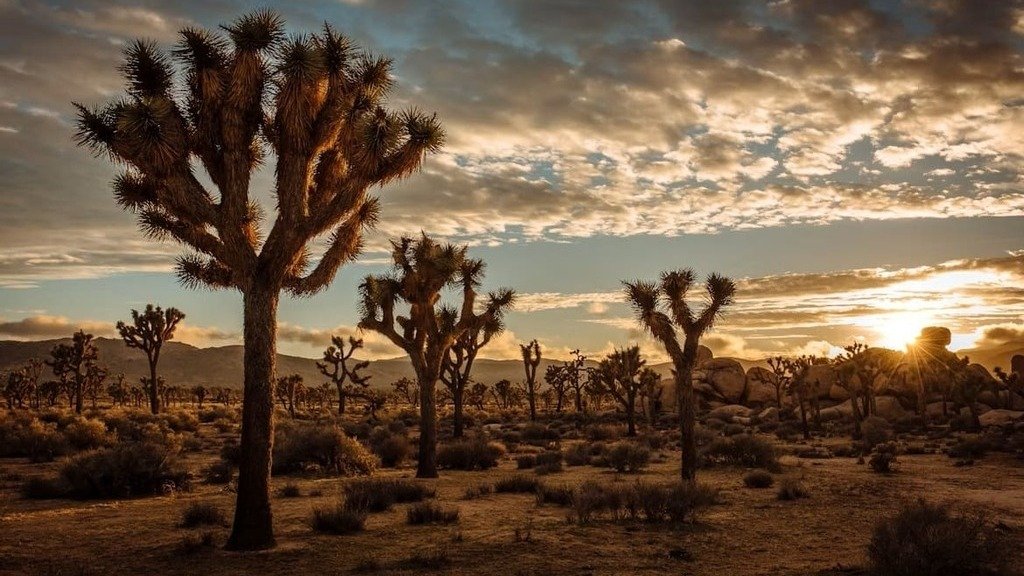
Joshua Tree — desert hiking and stargazing, commonly closer to 2.5–3 hours from LA depending on your starting point and which park entrance you use. The two main entrances sit far enough apart that which one you pick can change your route through the park as much as your route out of LA does.
San Diego — a beach-and-city weekend, mostly an I-5 drive with its own southbound traffic patterns to watch. Big enough that a single visit rarely covers everything worth seeing, so it’s worth picking a neighborhood or two to focus on rather than trying to hit the whole city in one trip.
Sequoia and Kings Canyon — giant sequoias and mountain scenery, a step up in both distance and driving character from the desert destinations above. The roads inside the parks themselves are slower and more winding than the highway approach, so budget real time once you’re there rather than treating arrival as the end of the drive.
Channel Islands National Park — technically a road trip plus a boat trip, since you’re driving to the harbor and then taking a ferry out. Worth including, but plan for that extra leg rather than treating it as a straight drive-to destination — ferry schedules add a fixed departure time to your day that a car alone wouldn’t.
4–8 Hours
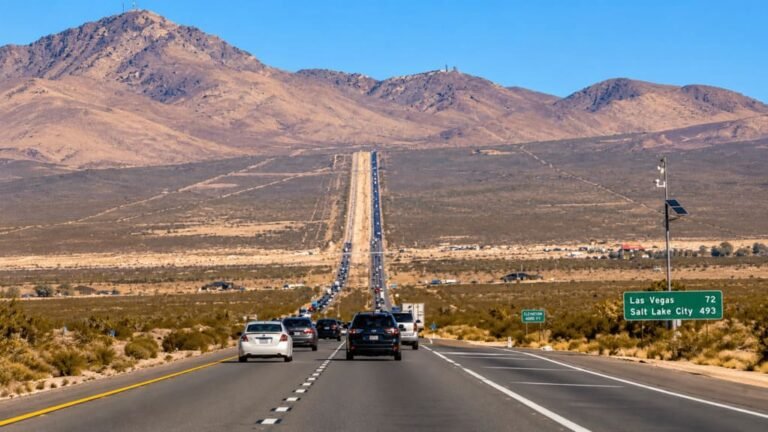
Las Vegas — mostly an I-15 drive and a destination-first trip: the point is getting there efficiently, not the journey itself. Weekend traffic on this route can be as much of a factor as anything happening in LA itself, since a large share of Southern California is making the same drive at the same time.
Death Valley — desert landscapes on the more demanding end of this band, worth checking our desert road trip timing guide before you go given the heat considerations involved. This is a trip where the season you choose matters as much as anything about the drive itself, since summer here isn’t a minor inconvenience the way it is in Palm Springs.
Yosemite — roughly 300 miles and 6 hours from the LA area under good conditions without stops, per NPS’s own figures. Once you’re spending most of a day getting there, it’s worth planning it as a proper multi-day trip rather than a rushed weekend escape — the park itself is large enough that a single day barely covers one section of it.
San Francisco — this one splits into two very different trips. The fastest inland route gets you there efficiently; the Pacific Coast Highway is an entirely different, much slower experience built around the drive itself. See our full PCH guide if the coastal route is the plan, and expect the two approaches to feel like different trips entirely rather than two ways of reaching the same place.
Grand Canyon — see our full Grand Canyon guide for route and current conditions. Like Yosemite, this is a trip to plan properly rather than squeeze into a weekend, and it’s worth deciding up front whether you’re after a South Rim day or something more ambitious before you commit to the drive.
Is the Drive Itself Part of the Trip?
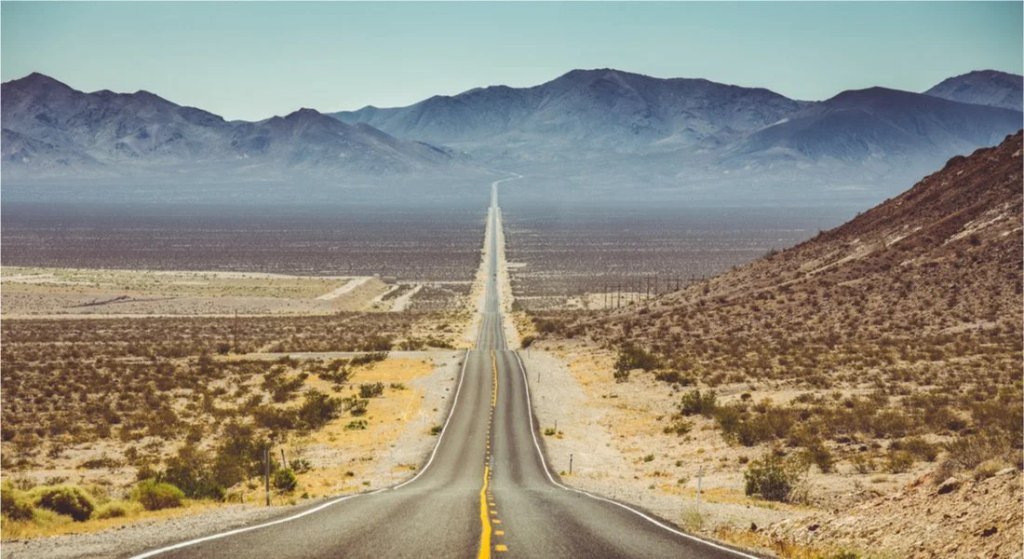
Some of these are destination-first trips — Las Vegas and San Diego are both about getting there efficiently and spending your time once you arrive. Others are route-first trips, where the drive is a real part of the experience — the Pacific Coast Highway, Yosemite via a scenic approach, and California’s Central Coast all fall into this category. Knowing which kind of trip you’re planning changes how much you should budget for the drive itself versus time at the destination.
How Many Days Do You Need?
One day: stay roughly within the under-2-hour band.
A weekend: the 2–4 hour destinations become realistic without eating your whole trip.
3–5 days: the 4–8 hour destinations become genuinely worthwhile rather than rushed.
A week or more: now you’re looking at Yosemite, the Grand Canyon, the full PCH, or a multi-stop California route.
Don’t spend half your weekend driving. A 2.5-hour destination can be a poor weekend choice if traffic turns the round trip into seven hours and you only had 48 hours to begin with.
Trip Load: It’s Not Just the Drive Time
A destination’s drive time isn’t its total trip load. Your real time commitment includes LA departure traffic, stops along the way, parking, meals, driving once you’re at the destination, and the return trip home — which often runs into its own peak-traffic timing problem. Ojai and Santa Barbara carry a relatively low trip load; Palm Springs, San Diego, and Joshua Tree sit in the middle; Yosemite, Death Valley, and the Grand Canyon carry a high one; and the full PCH or a multi-stop California route is about as high as it gets for a trip launched from LA.
Best Time of Year
“Best time” actually has two separate meanings here: the best season for the destination, and the best time to actually leave Los Angeles. Winter brings holiday traffic on top of mountain-destination considerations. Spring brings excellent desert and coastal conditions but standard weekend traffic. Summer adds holiday and weekend congestion on top of serious desert heat. Fall tends to be strong for many inland destinations, weekend and holiday traffic aside. And around any major holiday, plan for both heavier traffic volumes and higher demand at the destination itself.
What to Prepare Before You Go
Check current freeway conditions before you leave LA, not just while planning days out. Beyond that, see our full road trip packing list for the general essentials — most of what changes for an LA-launched trip is the planning around departure, not what’s in the car.
Who This Is Best For
This approach suits anyone treating an LA road trip as a real planning problem rather than picking a destination off a list — commuters and residents who already feel the city’s traffic in daily life, and visitors who might otherwise assume a short-looking drive is actually short. It’s less useful if your schedule has zero flexibility on departure time, since so much of the value here comes from choosing when to leave.
Common Mistakes
- Leaving Friday at 4 pm because “we’ll beat traffic.”
- Using the fastest Google Maps estimate as the actual itinerary.
- Treating the drive to the destination as the whole trip and forgetting the return.
- Choosing a destination without considering what the drive home looks like.
- Forgetting holiday and weekend traffic multiplies on top of normal congestion.
- Ignoring mountain or desert road conditions once you’re past the LA traffic itself.
- Trying to cram Yosemite or the Grand Canyon into a two-day weekend.
- Assuming a destination’s best season is automatically the best time to leave LA for it.
FAQs
How far can you drive from Los Angeles in one day? Comfortably within the under-2-hours band for a simple day trip, and further if you’re willing to make it a long day — but check current traffic before committing to anything at the edge of a single day’s round trip.
What are the best weekend road trips from Los Angeles? Destinations in the 2–4 hour band — Palm Springs, Joshua Tree, San Diego, and Big Bear — tend to fit a weekend without eating the whole thing in driving.
What is the best time to leave LA for a road trip? It depends on which freeway your trip uses and which direction you’re headed, but leaving before the morning commute or after the worst of the afternoon peak generally beats a weekday evening departure.
What are the best road trips from LA under 2 hours? Santa Barbara, Ojai, Palm Springs, and Big Bear all fall in this range, each with a different kind of trip on offer despite the similar drive time.
Where can I drive from Los Angeles in about 3 hours? Joshua Tree, San Diego, and Sequoia and Kings Canyon are all realistic in this range, depending on traffic and your exact starting point.
What are the best road trips from Los Angeles for 3–4 days? The 4–8 hour band — Las Vegas, Death Valley, Yosemite, and San Francisco — genuinely opens up once you have a few days rather than just a weekend.
What should I check before leaving Los Angeles on a road trip? Current freeway conditions for whichever route you’re taking, not just the estimate you got while planning days or weeks earlier.
PLAN YOUR TRIP YOUR WAY
Build a day-by-day itinerary around your time, pace, interests, and budget.
Use our trip planner to build a route around your available time, preferred drive-time band, and the destinations that actually fit your schedule.


1 thought on “Best Road Trips From Los Angeles: Where to Go and When to Leave”