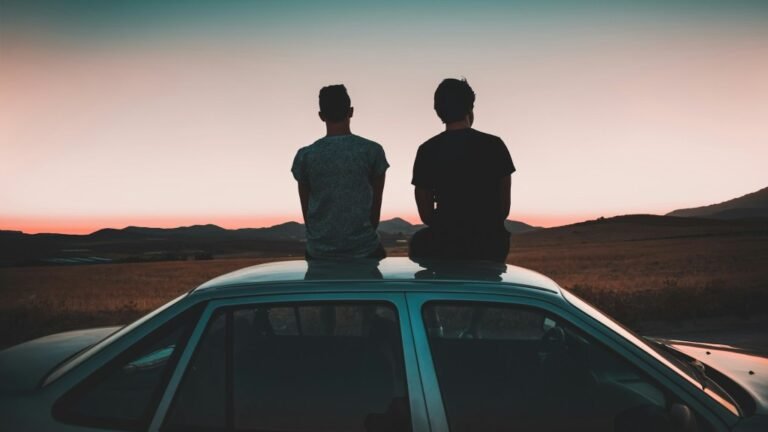

A great road trip for couples isn’t necessarily the most romantic-looking route. It’s one where both people agree on the pace, stops, budget, and amount of driving before they leave. Most lists of “romantic road trips for couples” repeat the same six routes with different adjectives attached, without addressing the thing that actually determines whether the trip goes well: whether two people with different preferences end up compromising the whole time, or actually build a trip that fits them both.
That’s the real planning problem here, and it’s worth solving before you pick a route.
Couple Road Trip Planning at a Glance
| If you both want… | Prioritize… |
|---|---|
| Relaxation | Fewer destinations, shorter driving days |
| Scenery | Scenic routes with flexible stops |
| Adventure | Built-in recovery time between activities |
| Food and hotels | Fewer overnight bases, more time in each |
| Spontaneity | Flexible lodging, fewer advance reservations |
| Maximum sightseeing | Careful pacing so the itinerary doesn’t overload |

What Makes a Road Trip Work for Two People?
Agree on Your Driving Comfort
Some people are happy behind the wheel for six hours. Others start feeling done after two. Neither is wrong, but a route that assumes everyone’s tolerance is the same is where trips start to fray.
Decide How Much Flexibility You Want
A tightly scheduled trip works well for some couples and feels stressful for others. Figure out which one you actually are before building the itinerary, not after the first missed reservation.
Choose Your Budget Style
Some couples want to split every cost evenly. Others prefer one person to handle logistics while the other covers different categories. Either works, but it’s worth deciding in advance rather than negotiating it at every stop.
What Kind of Couple Road Trip Is This?
| Trip style | What it prioritizes | Route characteristics |
|---|---|---|
| Slow and scenic | Views, small towns, long stops | Flexible days, scenic roads |
| Adventure and active | Hiking, outdoor activities | More stops, earlier starts, higher physical load |
| Indulgent and splurge | Hotels, restaurants, experiences | Fewer destinations, more time at each |
| Budget and spontaneous | Flexibility, lower costs | Simple lodging, fewer advance commitments |
The same route can work very differently depending on which of these describes you. A slow-and-scenic couple driving the Pacific Coast Highway wants something different out of it than an adventure-and-active couple driving the same road.
Best Road Trips for Couples by Trip Style
Pacific Coast Highway — Slow and Scenic
Best for: couples who want the drive itself to be the point.
Trip style: slow and scenic.
Why it works for couples: frequent pull-offs and short detours make it easy to stop often without falling behind schedule.
Potential friction: one person wanting to keep driving while the other wants to stop at every overlook.
Planning approach: agree ahead of time on a rough number of stops per day, and see our full PCH guide for the route breakdown.
Blue Ridge Parkway — Mountain and Nature
Best for: couples who want scenery paired with light hiking and slower mountain towns.
Trip style: mountain and nature.
Why it works for couples: short trails and overlooks are spaced closely enough that neither person has to choose between driving and time outside the car.
Potential friction: mismatched hiking ambition — one person wanting a summit, the other wanting a ten-minute overlook walk.
Planning approach: pick one longer hike together in advance rather than deciding on the fly, so it doesn’t become a daily negotiation.
Overseas Highway — Warm and Indulgent
Best for: couples who want beaches, seafood, and a slower island pace rather than a packed itinerary.
Trip style: indulgent and splurge.
Why it works for couples: short driving distances between the Keys leave plenty of room for long dinners and unplanned afternoons.
Potential friction: differing appetites for spending on hotels and restaurants along the way.
Planning approach: agree on a splurge budget before you go, so one stop doesn’t become an argument about money.
Oregon Coast — Laid-Back and Flexible
Best for: couples who want a scenic drive without locking in a rigid schedule.
Trip style: budget and spontaneous.
Why it works for couples: small coastal towns are close enough together that changing plans mid-trip is easy.
Potential friction: one person wanting more structure than the other is comfortable improvising.
Planning approach: book only the first night or two in advance and decide the rest as you go.

How to Plan the Trip Together
Choose One Non-Negotiable Experience Each
Have each person pick one thing they absolutely want to do on the trip. Everything else stays negotiable. This doesn’t guarantee you’ll agree on everything else, but it guarantees neither person leaves feeling like the whole trip was built around the other person’s preferences.
Split the Planning Responsibilities
One person doesn’t need to become the permanent driver, navigator, researcher, and reservation manager. Split it instead — one person handles the route and driving, the other handles lodging and food, and you decide the major stops and daily pace together. Rotating by day works just as well if that fits your dynamic better. The point isn’t the exact system, it’s making sure one person isn’t carrying the entire mental load of the trip.
Agree on Your Daily Pace
Decide roughly how many hours of driving and how many stops feel right for a typical day, before you’re actually in the car negotiating it in real time.
Leave Room for Unplanned Stops
A schedule with zero slack turns any delay into a source of friction. Building in room for the stop you didn’t plan for is often what makes a trip feel good in hindsight.
How to Avoid Road Trip Friction
When one person wants to drive more than the other is comfortable with, or vice versa, decide the day’s driving limit before you start rather than mid-drive.
When one person wants more stops than the other, use a simple hierarchy: non-negotiables, then preferences, then optional stops. If one person wants a hike and the other wants time in town, look for a day where both fit, or split up for a few hours rather than making one person give up their preference entirely.
When you’re tired but still have miles to go, that’s a signal to stop rather than push through — a shorter day beats an exhausted one for both of you.
Build in a flexible day or half-day every few days of driving. It gives the itinerary somewhere to absorb weather, fatigue, or just wanting to stay somewhere a little longer.
A short driving day can still feel exhausting once you count everything in it — the driving itself, the stops, the hikes, the parking, the reservations, the check-in, the early start, the navigating, and whatever the weather decided to do. Two people sharing a car doesn’t automatically make a demanding itinerary easy. Planning for total Trip Load, not just miles, is what actually keeps the day manageable.
Budgeting as a Couple
Different spending preferences are normal — one person might be happy with a basic motel and a picnic lunch, while the other wants a boutique hotel and a destination restaurant. Agree on your budget categories up front: lodging, fuel, food, activities, parking and entrance fees, shopping, and an emergency buffer. Many couples find it easier to set a shared budget for the big categories and leave some individual discretionary spending on top, rather than negotiating every small purchase along the way.

What to Pack for a Couple’s Road Trip
Beyond the basics covered in our full road trip packing list, a couple’s trip has a few of its own considerations: enough layers and clothing for two different comfort levels, shared toiletries where it makes sense, charging cables for both phones, enough water and snacks for two, separate personal essentials, comfortable footwear, and some room left in the car for whatever you pick up along the way.
When a Road Trip Might Not Be the Right Trip
A road trip isn’t automatically the best format for every couple. If one person strongly dislikes long drives, neither of you wants to navigate, the destination has good public transportation, the drive itself would be exhausting just to reach the actual vacation, or you both really want to stay in one place and relax, a fly-and-stay trip, a train, or a short rental-car itinerary once you land might serve you better. Recognizing that is more useful than forcing a road trip onto a couple who’d genuinely enjoy their vacation more some other way.
Common Mistakes Couples Make
- Assuming both people want the same pace without ever discussing it.
- Letting one person handle all the planning and navigation.
- Booking a schedule with no flexibility for a bad day or a good surprise.
- Treating budget as something to negotiate stop by stop instead of agreeing on it up front.
- Picking a route based on how romantic it looks rather than how it actually fits your trip style.
- Ignoring early signs of fatigue and pushing through a long driving day anyway.
FAQs
What’s the best road trip for couples? It depends more on your trip style than the route itself — a slow, scenic drive like the Pacific Coast Highway suits a different kind of couple than an adventure-paced trip through the mountains.
How do you plan a road trip with your partner without arguing about it? Agree on driving comfort, daily pace, and budget before you leave, and give each person one non-negotiable experience so neither person feels like the trip is entirely on the other’s terms.
How long should a couple’s road trip be? Long enough to include your non-negotiables without over-scheduling every day — a long weekend works for a shorter route, while five to seven days suits something like the Blue Ridge Parkway or the Overseas Highway.
Who should plan a couple’s road trip? Splitting responsibilities, rather than one person handling everything, tends to work better than either person planning it alone.
What if we want different things out of the trip? Use a hierarchy of non-negotiables, preferences, and optional stops, and look for days where both people’s interests fit rather than defaulting to one person compromising every time.
Is a road trip a good idea for every couple? Not necessarily. If one person dislikes long drives or you’d both rather stay in one place and relax, a different kind of trip may suit you better.
Use our planner to build a route around your preferred pace, interests, budget, and driving style, rather than fitting your trip into someone else’s itinerary.
PLAN YOUR TRIP YOUR WAY
Build a day-by-day itinerary around your time, pace, interests, and budget.
Use our planner to build a route around your preferred pace, interests, budget, and driving style, rather than fitting your trip into someone else’s itinerary.