Washington isn’t one road trip. It’s several very different road trips sharing one state. Olympic National Park points west of Seattle, Mount Rainier sits south and east, the North Cascades point north and east, and wine country pulls in yet another direction entirely.
Trying to see all of it on one trip usually means a week of driving between check-ins rather than actually experiencing any of it. The better question isn’t “what should I see in Washington” — it’s “which part of Washington should I actually build a trip around?”
Washington Road Trip Regions at a Glance
| Region | Experience | Ideal time | Driving character | Best for |
|---|---|---|---|---|
| Seattle | City, food, culture | 1–2 days | Low | First-time visitors, arrival/departure hub |
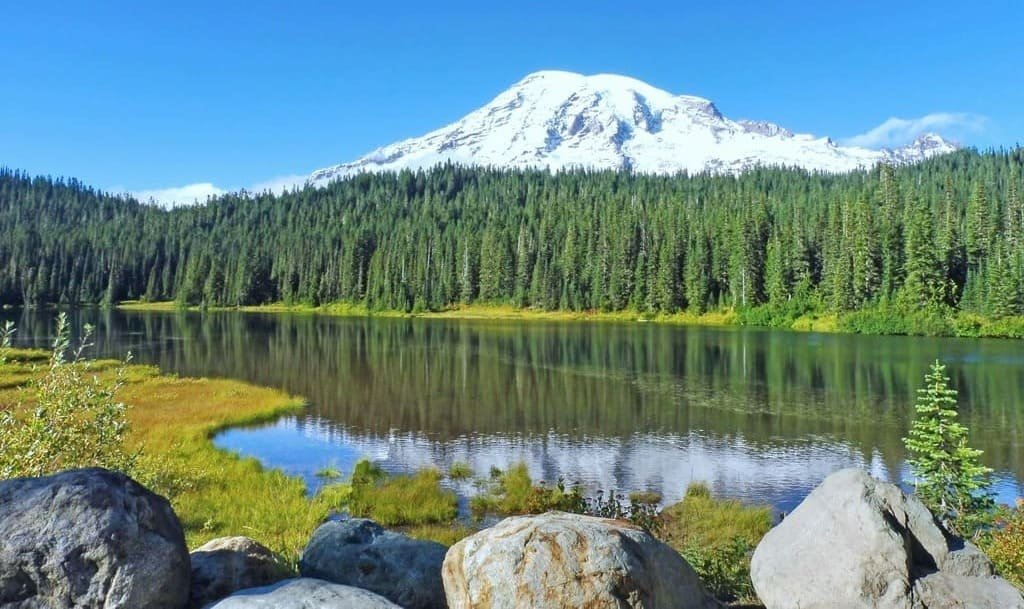
| Mount Rainier | Alpine mountain | 2–3 days | Moderate | Hiking, mountain scenery |
| Olympic Peninsula | Coast, rainforest, mountains | 3–5 days | High | Variety, nature |
| North Cascades | Alpine highway, valleys | 2–3 days | Moderate to high | Scenic driving, hiking |
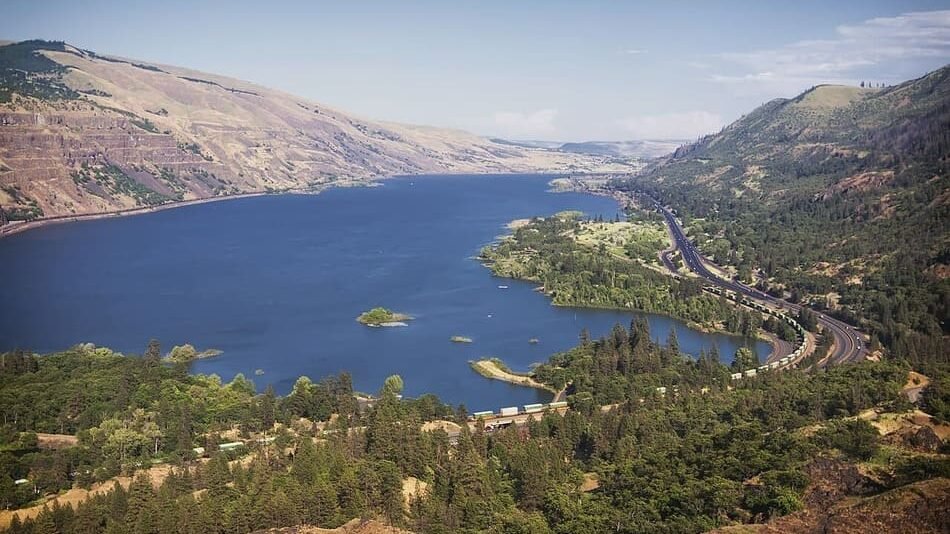
What Kind of Washington Road Trip Do You Want?
Mountains and hiking — Mount Rainier and the North Cascades, best for alpine scenery, hiking, and mountain photography, with the most reliable high-elevation access generally in summer and early fall.
Forests, coast, and rainforest — the Olympic Peninsula, best for beaches, rainforest, waterfalls, and slower-paced exploration.
City and wine country — Seattle paired with the Columbia Valley or Leavenworth, best for food, wine, and a shorter, lower-intensity trip.
A Washington deep dive — Seattle plus two or three of the regions above, realistic with 8 to 14 or more days and more comfort with longer drives.
You don’t have to pick just one region and never combine — a couple with eight days might reasonably do Seattle and Olympic, or Seattle, Rainier, and the North Cascades. What matters is deciding this before you build the itinerary, not after.
Seattle and Mount Rainier
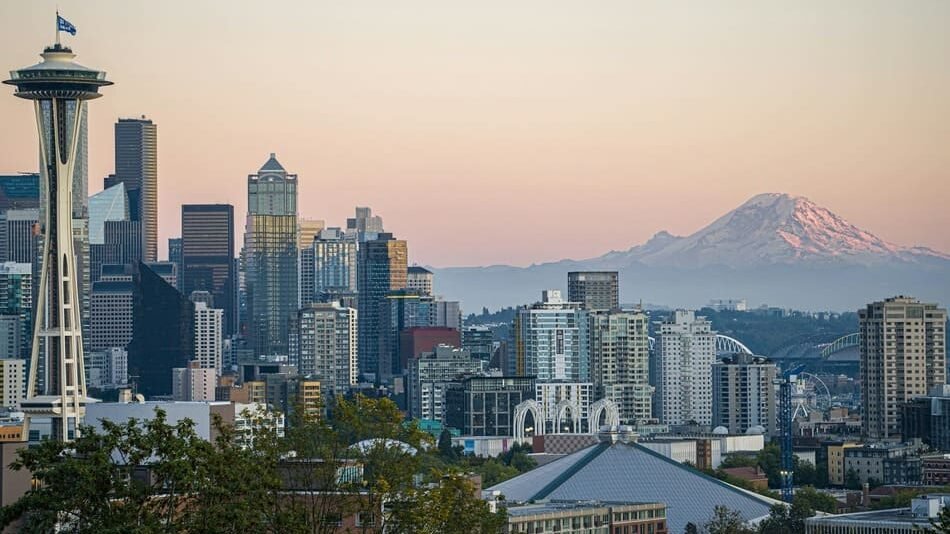
Seattle works as your arrival and departure hub either way, but the real planning question is whether Seattle stays your base for the whole trip or whether you transition into a park-focused stretch once you’re there. Mount Rainier is the most accessible of Washington’s three national parks from the city, which makes this pairing the easiest entry point into a Washington road trip, especially for a shorter visit.
Olympic Peninsula
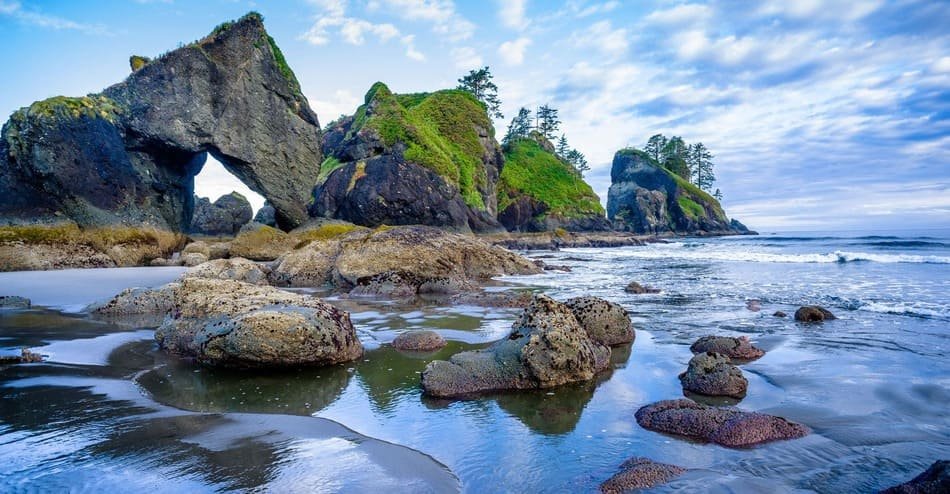
Olympic isn’t one destination — it’s a large peninsula where you base yourself materially changes your daily driving. Someone staying in Port Angeles is planning a different trip than someone staying near Forks or the southern peninsula. Olympic is particularly easy to underestimate: there isn’t a road crossing the park from one side to the other. Its major destinations — the Hoh Rain Forest, Lake Crescent, Hurricane Ridge, and the Pacific coastline — are each reached via separate approach roads around the peninsula rather than one road cutting through it, so your base location matters enormously. This is the most self-contained road-trip region in the state, and it rewards giving it more time than the others.
North Cascades and Wine Country
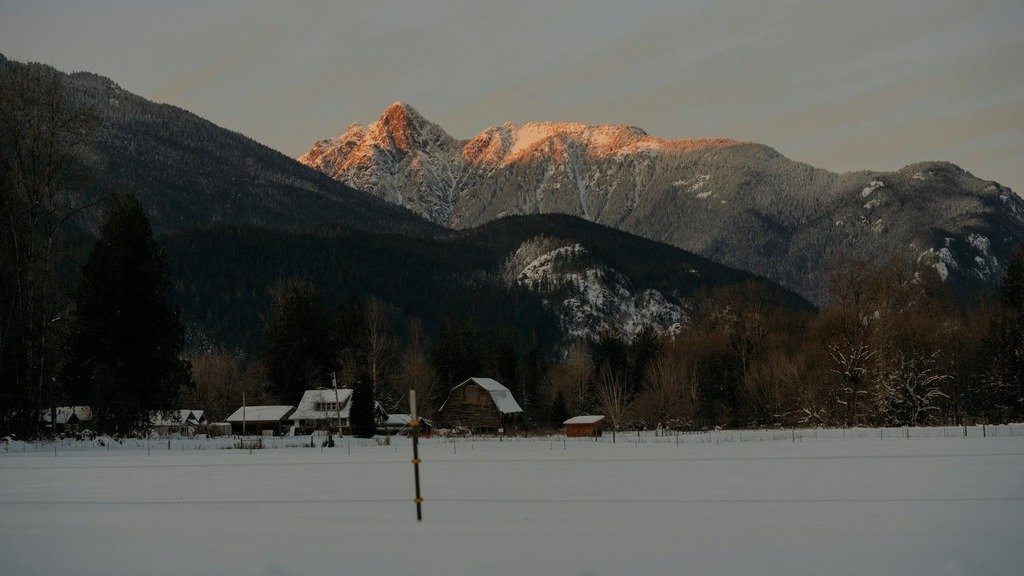
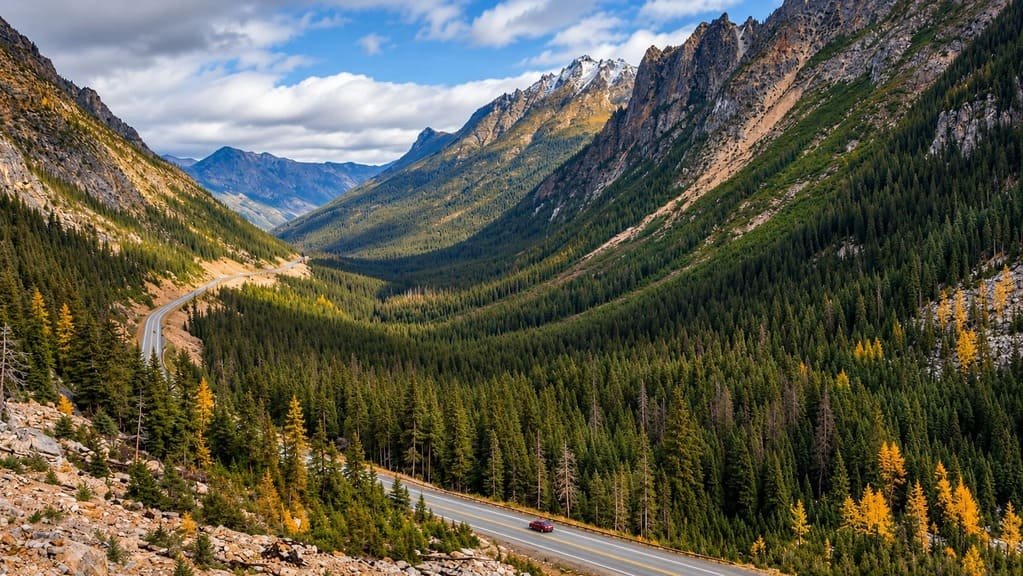
The North Cascades Highway (SR 20) through the Methow Valley pairs well with an extension into Leavenworth or the Columbia Valley if you want small towns and wine alongside alpine scenery — but these aren’t one homogeneous destination, and it’s worth deciding whether you’re mainly after mountains, towns, or wine before you build the day.
Before You Plan Around the North Cascades Highway
SR 20 is not a guaranteed year-round through-route. The highway normally closes for the season sometime in late November or early December and reopens the following April or early May, entirely weather- and snow-dependent. The 2025–26 season demonstrated why the usual calendar isn’t enough: December flooding and a spring rockslide caused serious damage between roughly mileposts 130 and 156, and the highway didn’t fully reopen until June 14, 2026 — its latest opening on record since WSDOT began keeping records in 1972, matching 1974. Recent disruptions like this are a good reminder to check the current status rather than relying on the usual seasonal pattern.
Check WSDOT’s North Cascades Highway status directly before planning around it. A partial closure can still leave some west-side destinations accessible depending on exactly where the current closure point is — for example, Diablo Lake may remain reachable from the west during some closure configurations, though this varies by situation rather than being guaranteed.
Which Washington Road Trip Fits You?
| If you want… | Consider… |
|---|---|
| City and mountains | Seattle plus Mount Rainier |
| Coast and rainforest | The Olympic Peninsula |
| Alpine scenery | The North Cascades |
| Wine and small towns | Columbia Valley or Leavenworth |
| A multi-region Washington experience | An 8–14+ day multi-region trip |
How Many Days Do You Need?
2–3 days: Seattle plus Mount Rainier, or Seattle plus one nearby region.
4–5 days: the Olympic Peninsula on its own, or Seattle plus Rainier with some additional exploration.
6–7 days: Seattle plus Olympic, or Seattle plus Rainier and a focused North Cascades visit.
8–10 days: Seattle plus two major regions, done at a comfortable pace.
10–14+ days: a genuine multi-region Washington trip becomes realistic — though that doesn’t automatically mean you should try to fit in all three parks.
What Not to Combine
Don’t force Seattle, Olympic, Rainier, and the North Cascades into four or five days. It isn’t physically impossible, but the resulting itinerary tends to collapse into drive, check in, drive, hike, drive, check in, drive — a much higher Trip Load than the mileage alone suggests, and not the trip most people actually wanted.
Choose Your Base Carefully
For a first visit, give Seattle at least a full day if the city itself is part of the trip; otherwise treat it primarily as your arrival and departure point. Port Angeles works well for the northern Olympic Peninsula, while western destinations like the Hoh Rain Forest and the Pacific beaches make Forks or another western base more practical — don’t assume Port Angeles covers the whole peninsula. Ashford and other Rainier gateway towns work well for a park-focused stretch. Winthrop and the Methow Valley are the natural base for a North Cascades-oriented trip. The point isn’t which hotel to book — it’s that your base location changes how much of each day you spend driving versus actually there.
Best Time to Visit
Summer generally offers the most reliable access to high-elevation roads and trails, but also the highest demand, the most crowds, real parking pressure at popular trailheads, and a chance of wildfire smoke.
Spring can be excellent at lower elevations, but high mountain routes, including sections of the North Cascades Highway, may still be inaccessible.
Fall can be an excellent shoulder-season choice, with good foliage and cooler temperatures, but high-elevation roads become increasingly dependent on weather and seasonal closures as October progresses.
Winter is a genuinely different Washington — mountain snow, seasonal road closures, and limited high-elevation access change what’s realistic entirely, though lower-elevation areas including much of Olympic remain accessible with limited facilities and quickly changing conditions. See our winter road trip planning guide for how to check route status before committing to a winter trip here.
Know Which Authority Controls Which Road
The National Park Service provides road and alert information for roads and facilities within the national parks, while WSDOT, counties, and other agencies control many of the roads that actually get you there — Olympic’s Upper Hoh Road, for instance, is maintained by Jefferson County rather than NPS, despite leading to a major park destination. WSDOT covers state highways like SR 20. The US Forest Service covers certain forest roads and recreation areas outside park boundaries. Checking the wrong source is an easy way to get outdated information, especially for the North Cascades and Olympic Peninsula, where several of these overlap.
What to Prepare Before You Go
Check current road status for whichever mountain routes are part of your plan, not just the general season. Download offline maps before leaving Seattle or other major towns, particularly if you’re heading into mountain or remote areas with unreliable cell service. Pack for genuinely different conditions across regions — coastal rain gear for Olympic, layers for mountain elevation changes at Rainier or the North Cascades. Check lodging cancellation policies when planning around weather-sensitive mountain routes, since a closure can change your plans with little notice. Extending south into Oregon is a natural option for travelers with more time: see our Oregon Coast guide or Columbia River Gorge guide if you’re continuing that direction.
Common Mistakes
- Trying to visit all three national parks in one long weekend.
- Treating Washington as one compact, easily-driven region.
- Underestimating how much driving the Olympic Peninsula actually requires.
- Using Seattle as a base for the entire trip regardless of where you’re headed each day.
- Assuming the North Cascades Highway is open year-round.
- Booking lodging before deciding how much daily driving you’re comfortable with.
- Planning a mountain-focused trip solely around calendar dates rather than current conditions.
- Ignoring summer crowds and parking constraints at popular trailheads.
- Treating Seattle as merely an airport rather than worth its own time.
- Building an entire itinerary around one scenic highway without checking its current status first.
FAQs
How many days do you need for a Washington road trip? A single region works well in 2–5 days depending on which one. Combining two takes 6–10 days, and a genuine multi-region trip is more realistic at 10–14+ days.
Can you visit all three Washington national parks in one trip? Yes, with enough time — 10 or more days makes it realistic. Attempting it in less usually means more driving than actual time at any of the parks.
Which Washington national park fits a shorter trip best? There isn’t one universal first choice. Mount Rainier is convenient for a shorter, Seattle-based trip; Olympic is better suited to a 3-5 day nature-focused trip given how much geographic variety the peninsula offers; the North Cascades make more sense when scenic mountain driving and alpine scenery are the priority.
Is the North Cascades Highway open year-round? No. SR 20 closes seasonally because of snow and avalanche hazards, usually in late November or early December, and generally reopens in April or early May. The exact dates vary by conditions, and recent years have shown that unusual damage can push reopening much later than normal. Check WSDOT’s current status before planning a through-route.
What is the best time of year for a Washington road trip? Summer gives the broadest access to high-elevation routes and trails, though spring, fall, and winter each offer a genuinely different version of the state if you’re prepared for the tradeoffs.
Is Seattle a good base for a Washington road trip? For a city-focused trip or a Rainier day trip, yes. For the Olympic Peninsula or the North Cascades, you’ll generally get more out of the trip by moving your base closer to whichever region you’re exploring.
What are the best Washington road trips for a week? There isn’t one fixed answer — Seattle plus Olympic, Seattle plus Rainier plus the North Cascades, and Seattle plus Rainier plus wine country are all realistic seven-day combinations depending on what you want out of the trip.
PLAN YOUR TRIP YOUR WAY
Build a day-by-day itinerary around your time, pace, interests, and budget.
Choose the region — or combination of regions — that matches your available days, interests, and preferred pace, then use our planner to build your route around it.