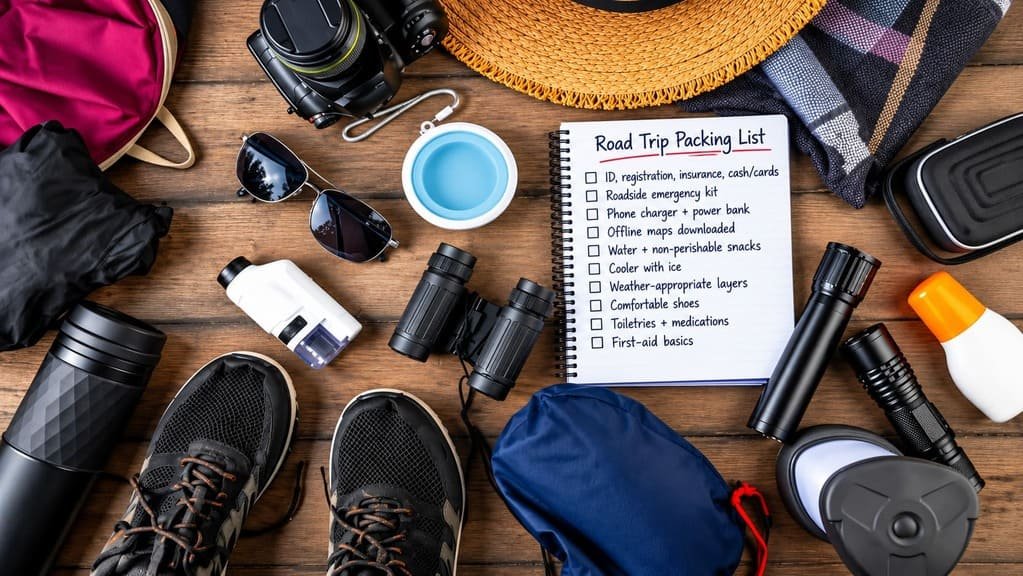
A well-planned road trip packing list can make the difference between a smooth, enjoyable journey and a trip filled with unnecessary stops and forgotten essentials. From must-have travel gear and snacks to emergency supplies and entertainment, knowing what to pack helps you stay prepared without overloading your vehicle. In this guide, we’ll cover the essentials you actually need to bring, along with the items you can safely leave at home. Whether you’re heading out for a weekend getaway or a cross-country adventure, you’ll know exactly what to pack before you hit the road.
Ten categories cover everything below: Documents & money, Car & roadside safety, Navigation & technology, Comfort & entertainment, Food & drinks, Clothing, Toiletries & personal care, Kids & baby gear, Pet essentials, and Emergency supplies.
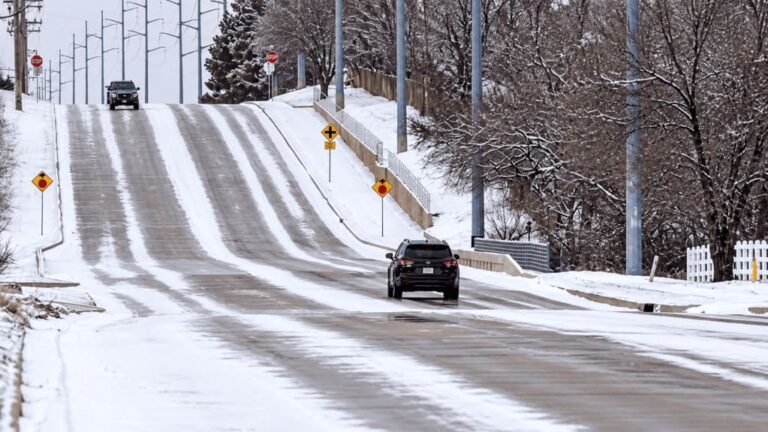
Before you leave: check the car, confirm your documents, charge every device, download offline maps, stock water, and check weather and road conditions for your route.
Master Trip Packing Checklist
The essentials from every category below, in one scannable block. Use this if you’re packing in a hurry; use the full category sections further down for anything you might be forgetting.
☐ ID, registration, insurance, cash/cards
☐ Roadside emergency kit
☐ Phone charger + power bank
☐ Offline maps downloaded
☐ Water + non-perishable snacks
☐ Cooler with ice
☐ Weather-appropriate layers
☐ Comfortable shoes
☐ Toiletries + medications
☐ First-aid basics
☐ Reusable water bottle
☐ Trash bags
☐ Entertainment downloaded for offline use
☐ Pet or kid essentials if traveling with either
☐ Reservations/confirmations saved offline
A printable or checkable version of this list is a natural future addition to this page — the format below is already built for it.
Documents & Money
Essential
☐ Driver’s license
☐ Vehicle registration
☐ Proof of insurance
☐ Health insurance information
☐ Credit/debit cards
☐ Some cash
☐ Hotel/accommodation confirmations
☐ Reservation confirmations
☐ Emergency contacts
Don’t forget: a photo of your ID and insurance card saved to your phone as backup, and any park entrance passes or timed reservations printed or saved offline in case you lose signal at the gate.
Car Essentials & Roadside Safety Kit
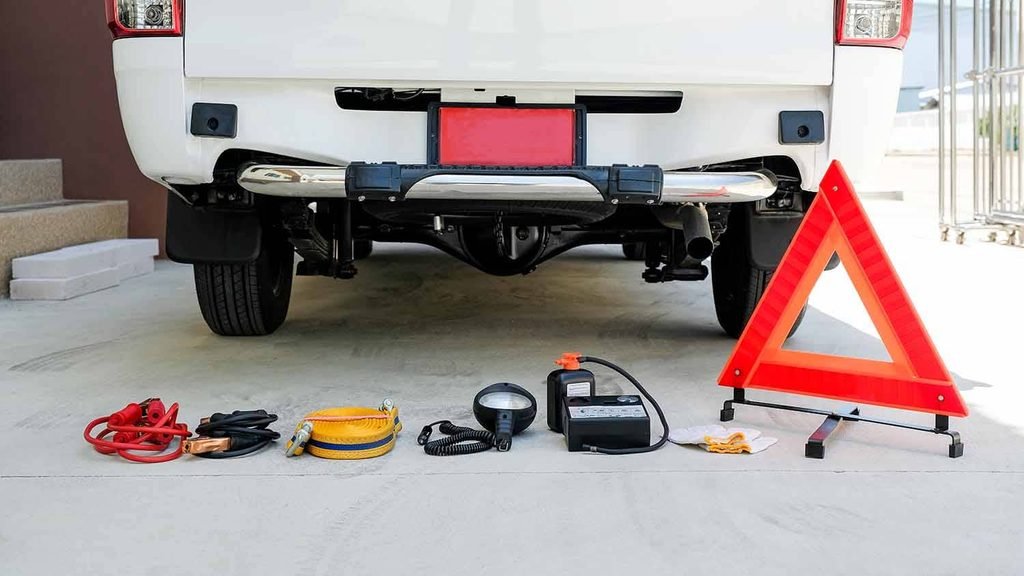
This is the most important section on this list, so it’s worth being precise about where the recommendations come from. Every item in the first subsection below is documented in AAA’s own published roadside kit guidance — nothing here is an assumption or a generic “safety expert” attribution. The second subsection is clearly separated editorial judgment, not AAA’s word.
AAA-Based Roadside Essentials
The items below come directly from AAA’s published roadside emergency kit guidance, cross-checked across several current AAA regional sources.
Emergency & roadside equipment
☐ Road flares or reflective triangles
☐ Jumper cables or a portable jump starter
☐ Basic toolset (screwdrivers, pliers, adjustable wrench)
☐ Tire gauge
☐ Tire inflator and sealant
☐ Duct tape
Vehicle maintenance
☐ Spare wiper blades, light bulbs, hoses, belts
☐ Window washer fluid
☐ Extra car fuses
☐ Rags or paper towels
Visibility & communication
☐ Flashlight with extra batteries
☐ Cell phone charger (and a backup power bank)
☐ AAA membership card, if applicable
First-aid/emergency supplies
☐ General first-aid kit
☐ Any medications you take regularly, plus a spare supply
☐ Water and non-perishable food for every passenger (and pet)
☐ Blanket and an extra set of warm clothes
☐ Hand sanitizer and disinfectant wipes
Seasonal considerations
☐ Winter: ice scraper, snow brush, snow shovel, tire chains, de-icer for door locks, non-clumping kitty litter or traction sand, winter-formula washer fluid
☐ Summer: extra water (one gallon per person/pet), wide-brimmed hat, insect repellent
Additional Items Worth Considering
These aren’t part of AAA’s documented list, but they’re worth packing based on general road-trip practicality:
☐ Seatbelt cutter/window-breaker tool, kept within the driver’s reach rather than in the trunk
☐ A phone mount for hands-free navigation
☐ A small cooler for medications that need to stay cool
Navigation & Tech
Navigation
☐ Phone with navigation app
☐ Offline maps downloaded before you leave cell coverage
☐ Physical map or road atlas as a backup
☐ Written route or itinerary
☐ Charging cable
☐ Car charger
☐ Power bank
Useful tech
☐ Phone mount
☐ Headphones
☐ Camera
☐ Extra memory/storage
☐ Portable battery
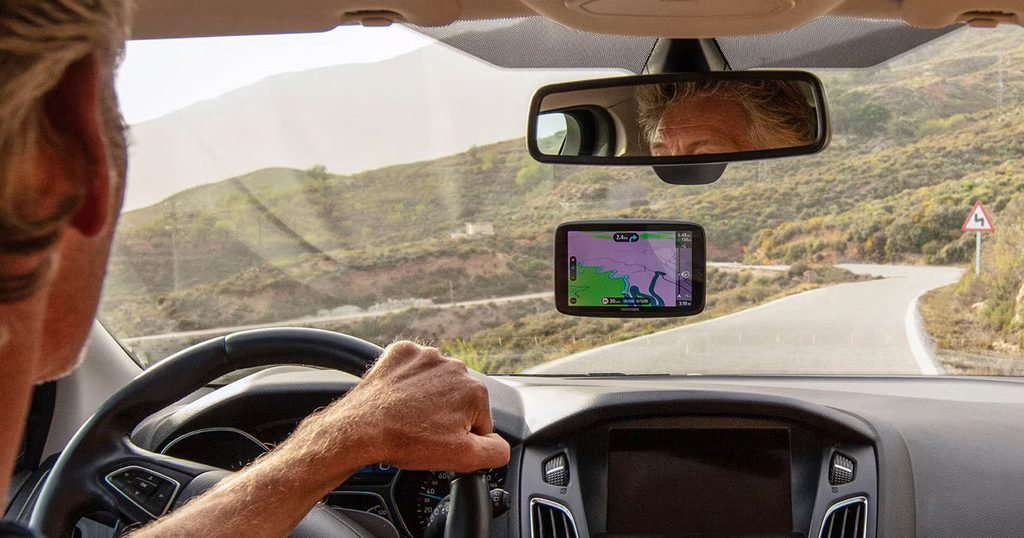
Offline maps matter more on a road trip than almost any other kind of travel — long stretches with no signal are common on scenic and rural routes especially, and a route that looks simple on a screen can get confusing fast without one. Download the specific region before you leave cell coverage, not once you’ve already lost it.
Comfort & Entertainment
In-car comfort
☐ Travel pillow
☐ Blanket
☐ Sunglasses
☐ Reusable water bottle
☐ Small trash bags
☐ Wet wipes
☐ Tissues
Entertainment
☐ Downloaded playlists
☐ Podcasts
☐ Audiobooks
☐ Offline entertainment for kids or long stretches
☐ Games or cards for stops
Food & Drinks
Drinks
☐ Water
☐ Electrolyte drinks, if useful for your route/climate
☐ Coffee or tea supplies if you make your own
Snacks
☐ Protein-rich snacks
☐ Fruit
☐ Nuts or trail mix
☐ Granola bars
☐ Crackers
☐ Other non-perishable snacks
Food storage
☐ Cooler
☐ Ice or ice packs
☐ Reusable containers
☐ Utensils
☐ Napkins
☐ Trash bags
Packing tip: keep one small snack bag accessible in the passenger area instead of burying all your food in the trunk — you’ll actually use it that way.
Clothing by Season
Summer
☐ T-shirts
☐ Shorts
☐ Lightweight layers
☐ Comfortable shoes
☐ Hat
☐ Sunglasses
☐ Light rain layer
Spring/Fall
☐ Layers
☐ Light jacket
☐ Long pants
☐ Comfortable walking shoes
☐ Rain jacket
Winter
☐ Warm layers
☐ Insulated jacket
☐ Gloves
☐ Hat
☐ Warm socks
☐ Weather-appropriate footwear
The one clothing rule: pack layers rather than a separate outfit for every possible temperature. It’s lighter, takes less space, and covers more scenarios than a bigger suitcase full of single-purpose outfits.
Toiletries & Personal Care
Toiletries
☐ Toothbrush
☐ Toothpaste
☐ Deodorant
☐ Shampoo/conditioner
☐ Soap
☐ Sunscreen
☐ Lip balm
☐ Personal hygiene products
☐ Hand sanitizer
Useful extras
☐ Small first-aid supplies
☐ Prescription medications
☐ Basic personal-care items
Kids & Family Road Trips
☐ Snacks
☐ Water
☐ Change of clothes
☐ Entertainment
☐ Headphones
☐ A comfort item
☐ Wipes
☐ Any required child-specific gear (car seat items, etc.)
Road Trip Packing List for Pets
☐ Food
☐ Water
☐ Bowls
☐ Leash/harness
☐ Waste bags
☐ Medication
☐ Bedding or comfort item
☐ Identification information
☐ Towels
Check accommodation and destination-specific pet rules before you leave — some national parks and hotels have restrictions worth knowing in advance rather than at the gate.
What NOT to Overpack
Most packing lists only tell you what to bring. Here’s what to leave behind.
Don’t pack three weeks of clothes for a seven-day trip. Laundry exists, and layering covers more scenarios than volume does.
Don’t bring full-size toiletries. Travel-size containers save real space, especially on multi-stop trips.
Don’t pack every gadget you own. More electronics means more chargers, more cables, and more clutter to manage in a moving vehicle.
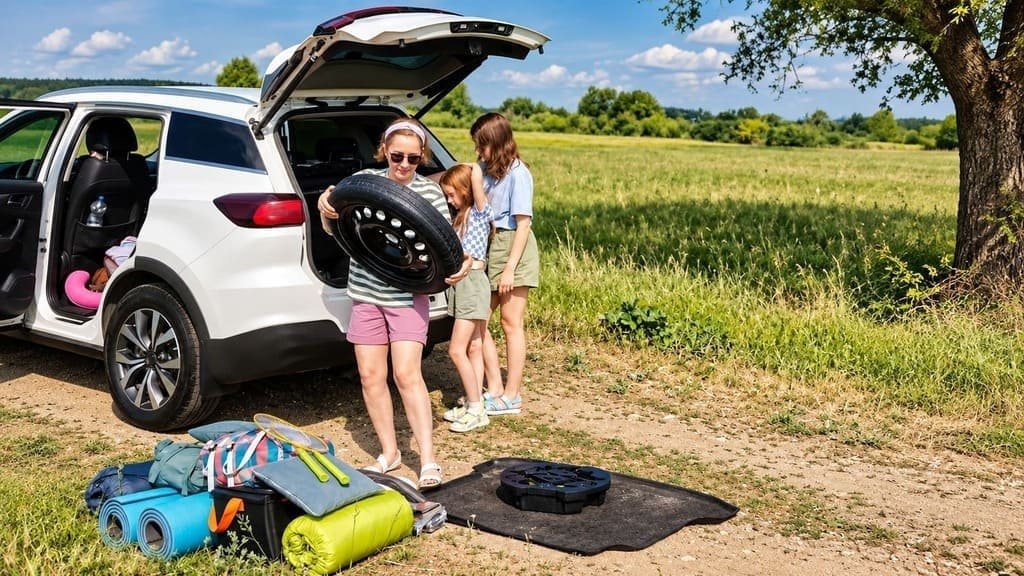
Don’t fill every inch of the car. Leave room for what you’ll pick up along the way — a cooler of local food, a piece of art, whatever the trip turns up.
Don’t pack for every possible weather scenario. Check the actual forecast for your route and pack layers instead of a separate kit for every possibility.
Don’t carry excess food. Pack practical snacks and plan to restock along the route rather than loading up for the entire trip up front.
What Should You Keep in the Car vs. the Trunk?
Where something lives matters almost as much as whether you packed it. Digging through the trunk at a rest stop for your phone charger is its own small kind of trip friction.
Keep within easy reach (cabin):
☐ Phone and charger
☐ Water
☐ Snacks
☐ Sunglasses
☐ Maps/navigation backup
☐ Medications
☐ Tissues/wipes
☐ Emergency communication items (seatbelt cutter, flashlight)
Store in the trunk/cargo area:
☐ Spare clothing
☐ Larger food supplies
☐ Cooler
☐ Camping/hiking equipment
☐ Bulk toiletries
☐ Extra supplies
The rule of thumb: anything you’d want without pulling over goes in the cabin. Everything else can wait until your next stop.
A quick note on loading order: pack trunk items in reverse order of how often you’ll need them — daily-use bags last in, first out; things you only need at the final destination go in first, at the bottom. It’s a small habit that saves real time at every stop on a multi-day trip.
Road Trip Packing List by Trip Length
Category checklists above cover what to bring; how much of it scales with how long you’re gone.
Weekend (2–3 days): Pack light. One outfit per day plus one layer option covers most weather. Skip the bulk toiletries — travel-size is enough.
3–5 days: Add one or two extra clothing layers rather than a full extra outfit per day, and plan for one laundry-free stretch rather than packing for every day individually.
One week: This is where “pack layers, not outfits” matters most — a week’s worth of daily outfits is more than most cars have space for. Plan on doing a load of laundry mid-trip if you’re hitting a hotel with facilities, rather than over-packing to avoid it.
Two weeks or more: Build in an actual laundry stop rather than trying to pack around avoiding one. Redundancy matters more here — a backup phone charger and a slightly larger first-aid kit are worth the extra space on a trip this long.
Route-Specific Packing Notes
Different kinds of routes call for different preparation beyond the general categories above.
Utah/desert national parks: Extra water capacity beyond what feels necessary, sun protection, and layers for cold desert nights even in warm-weather months — see our Utah Mighty 5 guide for park-specific timing.
Winter mountain routes: The full winter section of the roadside kit above isn’t optional here — tire chains and a real ice scraper matter more on a mountain pass than almost anywhere else on this list.
Desert routes: More water than feels reasonable, plus a check on your vehicle’s cooling system before you go — desert heat is harder on a car than most other conditions.
Coastal routes: A light rain layer even in the dry season, and sunscreen that survives humidity — see our Pacific Coast Highway guide for a route where fog and sun can both show up in the same day.
Long cross-country drives: Redundancy across every category — backup chargers, a fuller emergency kit, and enough food/water buffer for longer stretches between towns than a regional trip requires.

The 10-Minute Pre-Departure Checklist
Run through this before pulling out of the driveway:
☐ Fuel or charge checked
☐ Tires checked
☐ Oil/fluids checked where applicable
☐ Registration and insurance accessible
☐ Phone fully charged
☐ Power bank charged
☐ Offline maps downloaded
☐ Weather checked
☐ Road closures checked
☐ Water loaded
☐ Emergency kit accessible
☐ Reservations confirmed
☐ Home secured
Packing by Trip Type
Weekend road trip: pack light, prioritize essentials only — see our weekend road trip guide for specific destination ideas.
National park road trip: add hiking shoes, weather layers, extra water capacity, and sun protection — our Utah Mighty 5 guide covers park-specific planning.
Winter road trip: prioritize weather-appropriate clothing and the full winter section of the roadside kit above.
Family road trip: prioritize food, entertainment, comfort items, and easy in-car access over strict minimalism.
Long cross-country road trip: think redundancy — backup chargers, a fuller emergency kit, more clothing layers, and enough food/water buffer for longer stretches between stops. Our driving-time planning guide covers how to pace the actual driving.
Frequently Asked Questions
What should I pack for a road trip? Documents, a roadside safety kit, navigation backups, food and water, weather-appropriate clothing, and basic toiletries — the full breakdown above covers each category.
What are the most important road trip essentials? Your documents, a charged phone with offline maps downloaded, and a roadside emergency kit are the three categories worth never skipping, regardless of trip length.
What should be in a car emergency kit? AAA’s documented list includes road flares or triangles, jumper cables, a basic toolset, tire gauge, first-aid kit, a flashlight, water, and blankets — the full AAA-sourced list is above.
How do I pack efficiently for a road trip? Pack layers instead of separate outfits per scenario, use travel-size toiletries, and leave real space in the car rather than filling every inch.
How much food should I bring on a road trip? Enough non-perishable snacks and water for the stretch between stops, not the whole trip — plan to restock along the way rather than over-packing up front.
What should I pack for a road trip in winter? The winter-specific items in the roadside kit above (tire chains, de-icer, snow shovel) plus warm layers and weather-appropriate footwear.
What should I not pack for a road trip? Excess clothing, full-size toiletries, every gadget you own, and enough food for the entire trip rather than the next leg of it — see the full section above.
What should I keep in the car versus the trunk? Anything you’d want without pulling over — phone charger, water, snacks, medications — belongs in the cabin. Spare clothing, bulk supplies, and camping gear can live in the trunk.
Does packing change for a longer road trip? Yes — shorter trips can get away with packing daily outfits, but anything past about a week works better with layers plus a planned laundry stop than with enough clothes to avoid one entirely.
PLAN YOUR TRIP YOUR WAY
Build a day-by-day itinerary around your time, pace, interests, and budget.
Plan Your Road Trip With Miles & Mapped
A weekend trip to Napa doesn’t need the same packing strategy as a two-week national park loop through Utah — what you pack should follow from the trip itself. Use the Miles & Mapped planner to build your route first, then pack around the actual days, stops, and conditions it maps out.