Colorado isn’t one road trip — it’s several distinct road-trip regions connected by long mountain drives. The Front Range, Rocky Mountain National Park, the San Juan Mountains, and southern Colorado are each spread across a large, mountainous state, so forcing them into one loop can turn a trip into a lot of driving between places that each deserve time of their own. The better approach is choosing which of these regions your Colorado road trip is actually built around, then deciding whether you have time to add another.
Colorado Road Trip at a Glance
| Region | Best for | Suggested time | Road-trip character |
|---|---|---|---|
| Front Range | Cities and foothills | 2–3 days | Urban and scenic |
| Rocky Mountain National Park | Alpine scenery and hiking | 2–4 days | High-elevation |
| San Juan Mountains | Scenic drives and mountain towns | 3–5 days | Scenic-driving focused |
| Southern Colorado | Great Sand Dunes and slower travel | 2–4 days | Diverse, more spread out |
| Multi-region | A first-time comprehensive trip | 7–14+ days | Long-distance |
What Kind of Colorado Road Trip Do You Want?
Mountains and hiking — prioritize Rocky Mountain National Park and the San Juans.
Scenic driving — prioritize the San Juan Skyway, the Million Dollar Highway, and other high-country roads.
Cities and mountains — prioritize Denver and Boulder paired with Rocky Mountain National Park.
A short trip — one region, or the Front Range plus one nearby mountain region.
A two-week trip — potentially the Front Range, Rocky Mountain National Park, the San Juans, and southern Colorado together, though that doesn’t mean everyone with two weeks should do all four.
Fall colors — prioritize the San Juans and other high-country scenic routes, while checking current road and weather conditions as the season progresses.
Colorado Road Trip Regions
Front Range
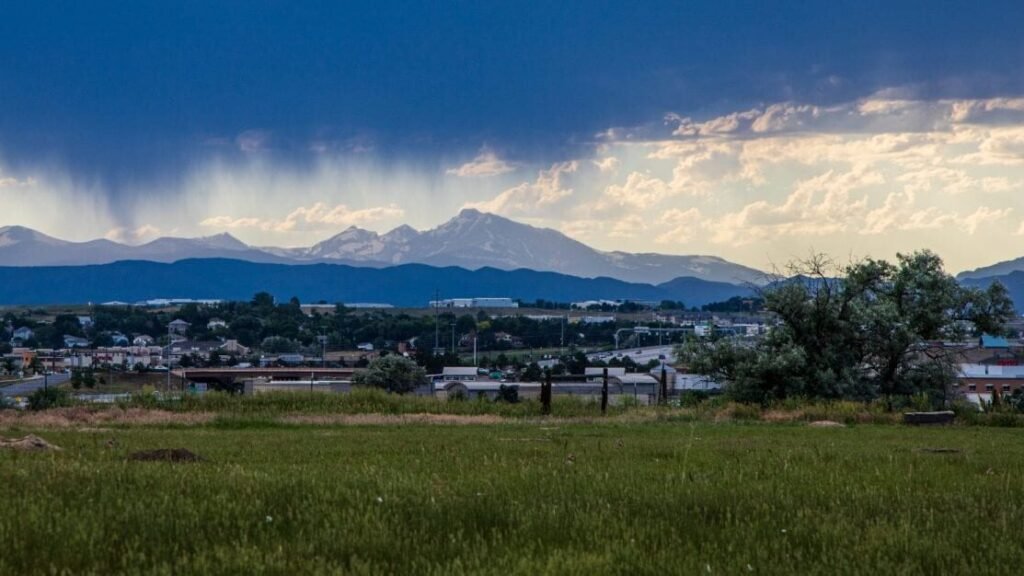
Denver, Boulder, and Colorado Springs anchor this region, offering cities, food, culture, and foothills scenery like Garden of the Gods, all serving as the natural gateway to the mountain regions beyond. This is the easiest starting point for a first-time Colorado visitor or a shorter trip that still wants a taste of the mountains.
Rocky Mountain National Park and the High Country
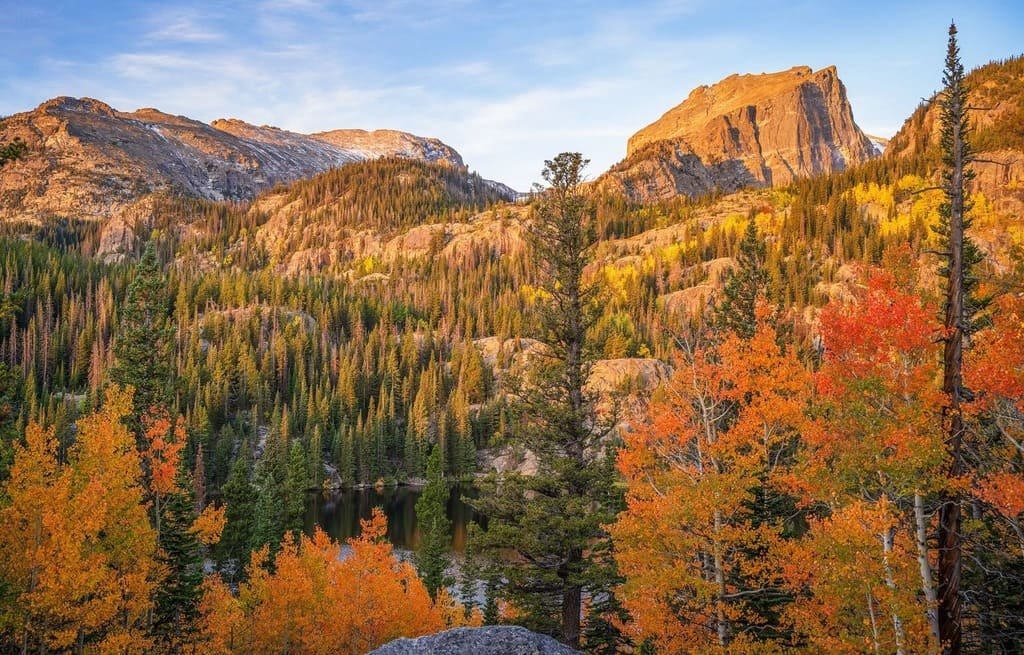
This is Colorado’s signature high-elevation scenic-driving region. If Rocky Mountain National Park is central to your trip, check current access before building the itinerary around crossing the park — see our Trail Ridge Road guide for the route, current conditions, and the seasonal timing that shapes when you can actually drive across it.
San Juan Mountains
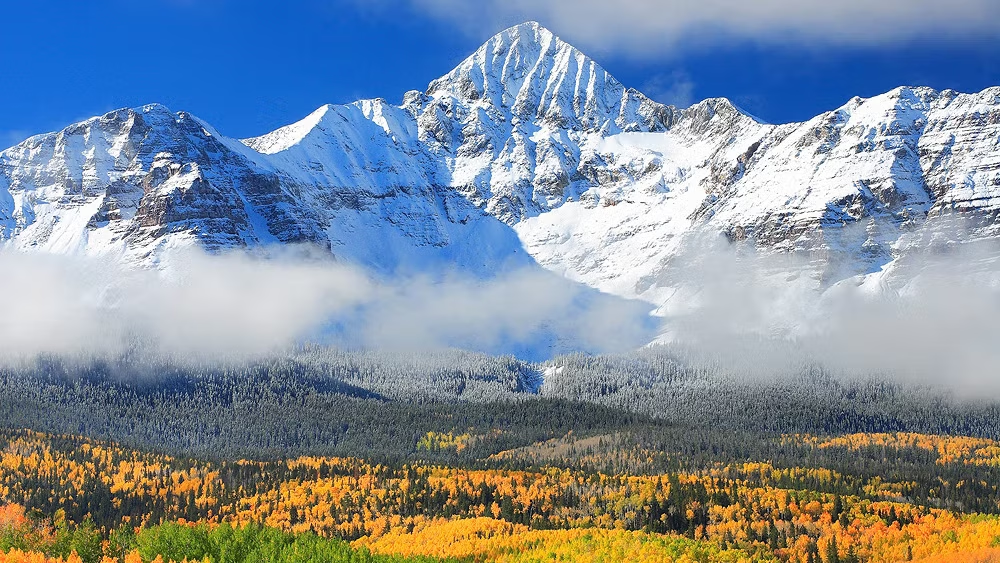
The San Juans aren’t simply another mountain region — they’re a road-trip destination in their own right, where the drive itself is a major part of the experience. The San Juan Skyway loops through Ouray, Silverton, Telluride, and Durango, with the Million Dollar Highway section of US 550 between Ouray and Silverton as its best-known stretch.
Southern Colorado and Great Sand Dunes
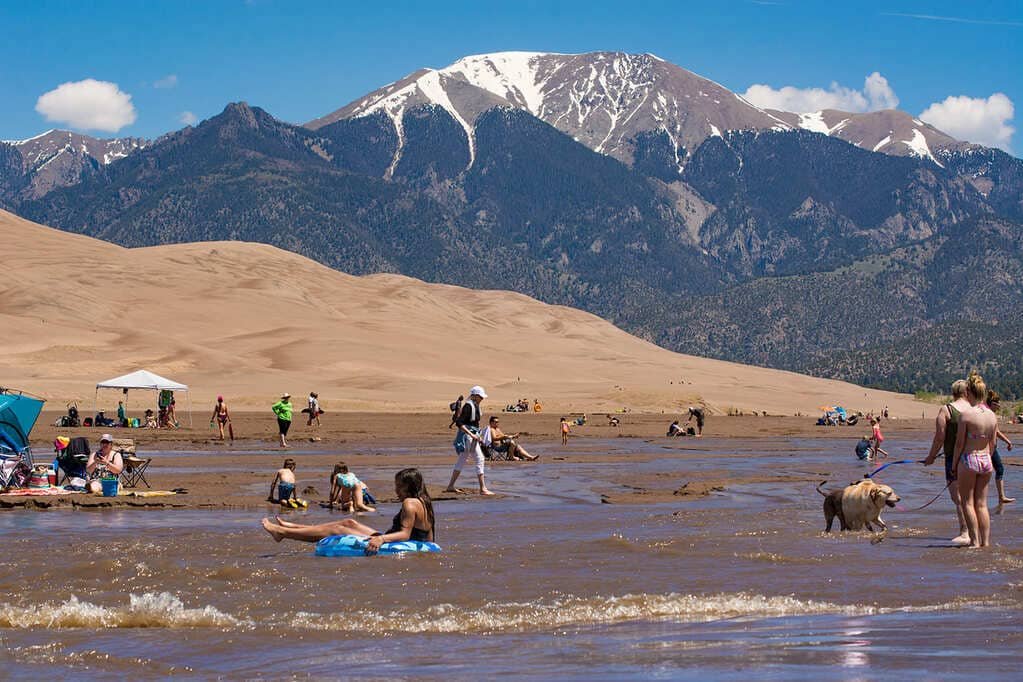
Great Sand Dunes National Park and the San Luis Valley offer a different pace from the state’s better-known mountain corridors — genuinely striking scenery with a different pace from the state’s more heavily traveled mountain routes.
How Many Days Do You Need?
2–3 days: one region.
4–5 days: one major region plus a nearby extension.
6–7 days: two regions.
8–10 days: two major regions, or a carefully designed multi-region route.
11–14 days: three regions can become realistic.
2+ weeks: room for a broader Colorado road trip touching all four.
These are planning ranges, not rules — geography and route conditions matter more than the number of attractions on a map. Colorado rewards depth more than checklist travel. A 10-day itinerary that gives two or three regions enough time can be more satisfying than a loop that technically touches every major attraction but spends much of the trip driving between them.
Mountain Pass Season: What Actually Changes
A destination can be open while the road you planned to use to reach it isn’t. High mountain roads in Colorado don’t operate on your itinerary’s calendar — they operate on road, weather, and maintenance conditions, and different passes follow genuinely different patterns.
Independence Pass (CO-82), connecting Aspen and the Front Range, closes seasonally because of winter conditions. Opening and closing dates vary with snow, weather, and maintenance work each year, so check current CDOT status before planning a trip around crossing it rather than relying on a typical date. During the seasonal closure, reaching Aspen from Denver means the longer route via I-70 through Glenwood Canyon.
The Million Dollar Highway section of US 550 over Red Mountain Pass, connecting Ouray and Silverton, is a major mountain route rather than a seasonally gated one — but winter weather, avalanche-control operations, crashes, and other conditions can still cause temporary closures. Check current CDOT conditions rather than assuming the route will be open simply because it’s a major highway.
The lesson that carries across both examples: don’t build a Colorado itinerary around a mountain-pass crossing without checking current status first. Trail Ridge Road, covered in our dedicated guide, follows its own separate seasonal pattern on top of these two. For destination information, check the relevant park authority; for road conditions on state highways and mountain passes, check CDOT’s COtrip road conditions; for Trail Ridge Road specifically, check current NPS conditions rather than any of the others.
Best Time for a Colorado Road Trip
| Season | What changes |
|---|---|
| Spring | Lower elevations can be accessible while the high country remains limited |
| Summer | Broadest high-country access, but afternoon storms and crowds |
| Early fall | Excellent mountain scenery, though high-elevation weather can change quickly |
| Late fall | Some high routes become unreliable or closed |
| Winter | Major high-country route limitations change the trip completely |
Spring can leave lower elevations, including much of the Front Range, comfortably accessible while high passes remain closed or unpredictable. Summer offers the broadest window for reaching high-elevation roads and trailheads, though afternoon thunderstorms are a near-daily pattern in the mountains and popular areas get crowded. Early fall often delivers some of the best scenery of the year, especially for aspen color in the high country, but conditions at elevation become noticeably more variable as the season goes on.
Late fall is a genuine transition period — don’t assume every scenic road from earlier in the year is still available, since this is exactly when passes like Independence Pass typically close. Winter changes the trip into an entirely different model, built around lower-elevation travel and whatever high-country access remains rather than the full network of summer roads.
The best time depends on which Colorado you’re trying to experience — a Front Range and city-focused trip has a much longer reliable season than one built around crossing Independence Pass or Trail Ridge Road.
Which Regions Work Well Together?
Easy combinations — Denver paired with Rocky Mountain National Park, a natural fit for a shorter trip that still includes real mountain scenery.
More substantial — the Front Range combined with Rocky Mountain National Park and the broader northern high country, suited to a trip with a week or more.
Scenic-driving focused — the San Juan Mountains paired with southern Colorado, favoring travelers who want the drive itself to be a central part of the trip rather than city time.
A full-state approach — three or four regions combined over 11-14 or more days, where the extra time goes toward genuinely experiencing each region rather than just reaching it.
None of these is the correct combination — they’re starting points for matching your available time to regions that sit reasonably close together, rather than forcing distant regions into the same trip because they’re both technically in Colorado.
Where to Start Your Colorado Road Trip
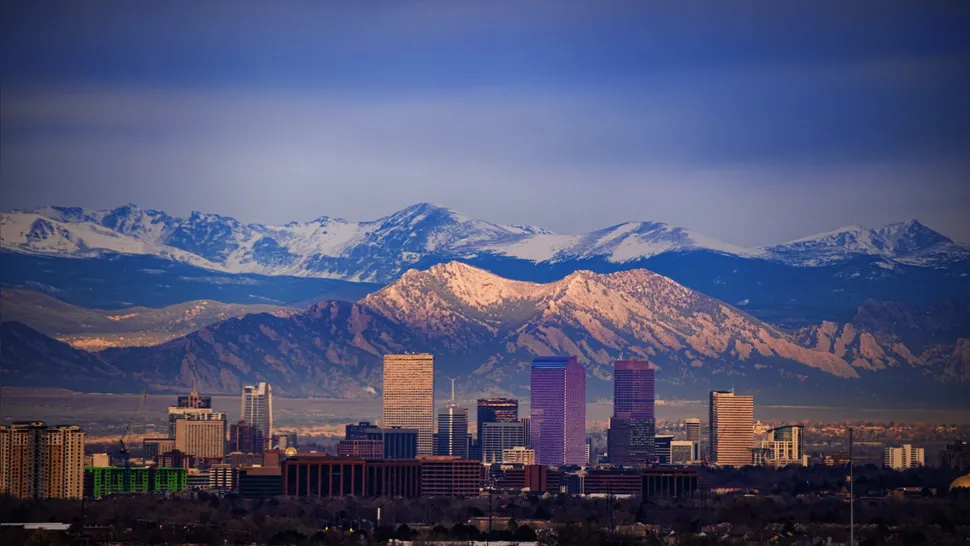
Denver is the most obvious starting point for the Front Range, Rocky Mountain National Park, and most of northern Colorado. Colorado Springs can work well if the southern Front Range or a southern Colorado extension is your priority. The best starting point depends on which region you’re prioritizing, rather than Denver being the automatic choice for every itinerary. For a San Juan-focused itinerary specifically, consider whether a southern or western starting point reduces unnecessary backtracking compared with beginning in Denver.
Where to Stay by Region
Front Range: Denver, Boulder, or Colorado Springs, depending on which cities matter most to your trip.
Rocky Mountain National Park: Estes Park or Grand Lake, depending on which side of the park your itinerary favors.
San Juans: Ouray, Silverton, Telluride, or Durango, depending on your route through the region.
Southern Colorado: Alamosa and the other gateway communities near Great Sand Dunes.
Choose bases that reduce backtracking and match the direction of your route, rather than simply picking the most famous town in a region.
What to Prepare Before You Go
Altitude affects people differently, especially coming from sea level — give yourself time rather than pushing hard on your first day at elevation. Afternoon thunderstorms are common in the mountains through summer, which matters for hiking timing as much as driving. Mountain driving itself involves real grades, curves, and weather that can shift fast, so download offline maps for stretches with weak cell coverage.
Don’t assume the next fuel stop is as close as it looks on the map in more remote mountain sections, and keep lodging flexible where your route depends on a mountain-pass crossing that could close or delay you. If you’re renting a vehicle, consider the route’s grades, weather conditions, and any road-specific restrictions before choosing which one to book.
Who Is a Colorado Road Trip a Good Fit For?
This suits travelers who want genuine mountain scenery, scenic driving, and a mix of city and outdoor time, especially those willing to focus on one or two regions rather than the whole state. It’s a tougher fit for a very short trip trying to cover multiple distant regions, or an itinerary with no flexibility to reroute around a closed mountain pass.
Common Mistakes
- Treating Colorado as one compact loop.
- Trying to visit too many regions in too little time.
- Assuming summer access means every mountain road is open.
- Building the itinerary around an unverified pass crossing.
- Treating Trail Ridge Road as guaranteed access without checking current conditions.
- Underestimating how long mountain driving actually takes.
- Ignoring afternoon thunderstorms when planning hikes.
- Booking every night before checking route conditions.
- Using a single base for destinations spread across large distances.
- Forgetting altitude when planning an ambitious first day.
FAQs
How many days do you need for a Colorado road trip? It depends on the region. A focused trip can work in 2–5 days, two regions generally need around 6–10 days, and a broader multi-region itinerary is better suited to 11–14+ days.
What is the best time for a Colorado road trip? It depends heavily on which roads and elevations your trip needs — summer offers the broadest high-country access, while spring, fall, and winter each open up different parts of the state and close off others.
Can you do a Colorado road trip in 5 days? Yes, if you focus on one region or a tightly connected pair rather than trying to cover the whole state.
Is Trail Ridge Road open year-round? No — it closes for the season. See our Trail Ridge Road guide and current NPS conditions for the specific access window.
What is the San Juan Skyway? A scenic loop through the San Juan Mountains connecting Ouray, Silverton, Telluride, and Durango, including the Million Dollar Highway section of US 550.
Is Colorado good for a winter road trip? Yes, but the itinerary becomes fundamentally different, since high mountain roads and passes have real seasonal and weather limitations that change what’s realistically accessible.
Should you fly into Denver for a Colorado road trip? Denver is a practical starting point for many Front Range and Rocky Mountain National Park itineraries, but the best airport or starting point depends on which region you’re prioritizing.
PLAN YOUR TRIP YOUR WAY
Build a day-by-day itinerary around your time, pace, interests, and budget.
Use our planner to build a route around the regions that fit your available time, current mountain-pass conditions, and the kind of Colorado trip you actually want.