A Tennessee road trip isn’t necessarily a Memphis-to-Nashville-to-Smokies loop. The best route depends on whether you’re coming for music and cities, mountain scenery, or a slower scenic drive through history and small towns. From the Mississippi River to the Appalachian Mountains, Tennessee offers plenty of variety without requiring you to cross the entire state.
You don’t need to see the entire state to have a complete Tennessee road trip — you need to pick the version of it that actually matches what you want.
Tennessee Road Trip at a Glance
| Region | Good base cities | Best for | Suggested time |
|---|---|---|---|
| Memphis–Nashville | Memphis, Nashville, Franklin | Music, food, and cities | 3–5 days |
| East Tennessee | Knoxville, Gatlinburg, Townsend | Mountains and hiking | 3–5 days |
| Natchez Trace area | Nashville/Franklin plus Trace gateway towns | Scenic driving and history | 2–4 days |
| Statewide combination | Multiple bases | A first-time overview | 7–10+ days |
These are planning frameworks, not fixed itineraries — Tennessee is too varied for one mandatory route.
What Kind of Tennessee Road Trip Do You Want?
| If you want… | Focus on… |
|---|---|
| Live music and nightlife | Nashville plus Memphis |
| Mountains and hiking | The Great Smoky Mountains |
| Scenic driving | The Cherohala Skyway and the Natchez Trace |
| Food and culture | Memphis, Nashville, and the smaller towns between them |
| A long weekend | One region |
| Your first Tennessee road trip | Two contrasting regions |
| 7–10+ days | A multi-region itinerary |
Tennessee Road Trips by Region
Music Cities and Central Tennessee
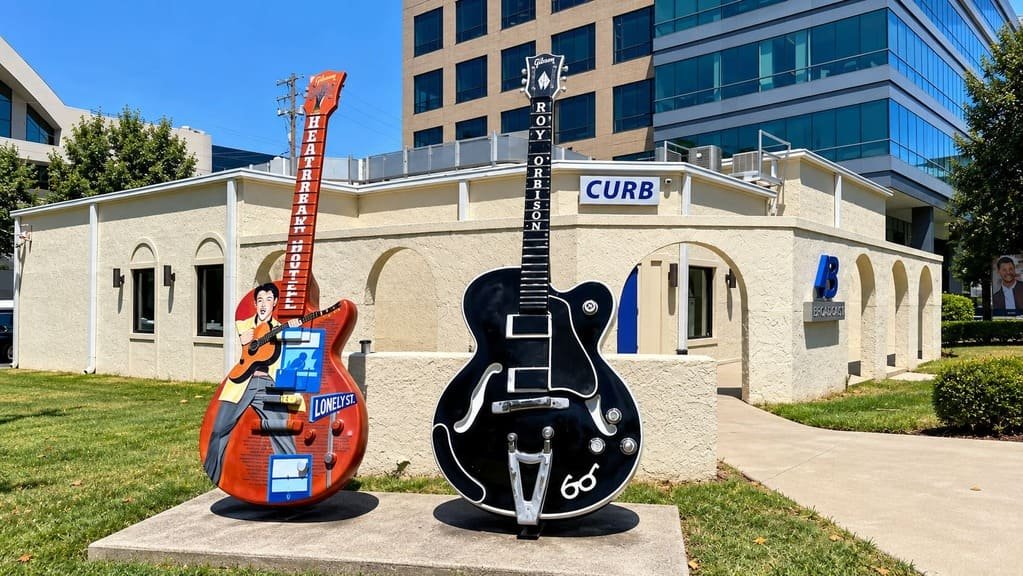
Memphis and Nashville anchor this region, each a legitimate multi-day stop in its own right — Beale Street and Sun Studio in Memphis, Broadway and the Country Music Hall of Fame in Nashville. Rather than treating the drive between them as a single fixed corridor, plan it as connecting two city stays, with the option to add nearby scenic driving around Nashville if you have extra time.
East Tennessee Mountains
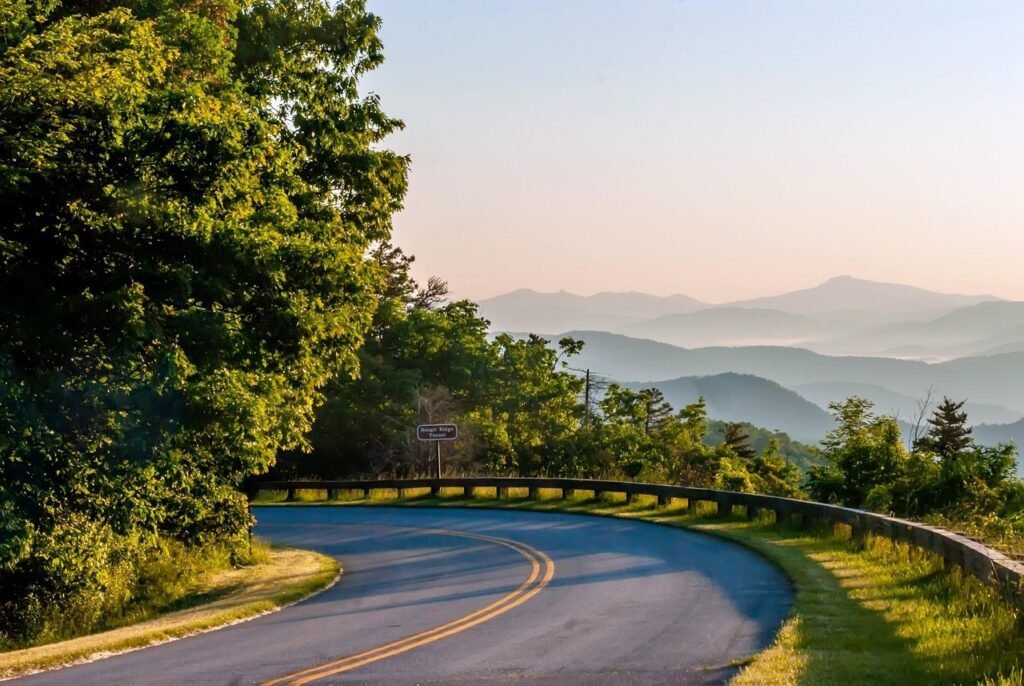
Knoxville serves as the gateway to Great Smoky Mountains National Park, with Gatlinburg and Pigeon Forge as the more built-up bases and Townsend as the quieter option. The Cherohala Skyway, a National Scenic Byway further southeast, adds a genuinely different mountain driving experience if you have the extra days for it.
Natchez Trace and Southwest Tennessee
The Natchez Trace Parkway enters Tennessee from the south before ending near Nashville, offering a slower, more historic driving experience than either of the other two regions. Rather than treating it as one universally fixed route through Nashville-area roads, plan it as combining time near Franklin or Columbia with the Trace itself — see our complete Natchez Trace Parkway guide for the full route, current conditions, and itinerary options. This region doesn’t need to compete with the other two on size. Its value is the pace and character it offers.
How Many Days Do You Need?
2–3 days: pick one region rather than attempting Memphis, Nashville, and the Smokies together.
4–5 days: a two-region trip becomes realistic — a city-focused route plus a mountain-focused extension, for example.
7 days: enough time to combine major experiences across regions without making every day a transfer day.
10+ days: room to slow down, add the scenic byways, and spend more time in smaller towns rather than adding more destinations. More days shouldn’t automatically mean more stops — it should mean more time in the places you’ve already chosen.
Great Smoky Mountains: What You Need to Know Before You Go
No Entrance Fee, But a Parking Tag Is Required
Great Smoky Mountains National Park does not charge an entrance fee, but visitors who park for more than 15 minutes need a valid parking tag. Tags cost $5 for a day, $15 for a week, or $40 for the year, available online through Recreation.gov, at visitor centers, or from automated machines around the park. This is a genuinely easy point to get wrong — the park isn’t “free” in the way that implies no cost at all, and it isn’t gated like a typical entrance-fee park either. It’s simply a different system.
When to Arrive
Parking demand at the Smokies varies by season, day of the week, specific trailhead, and weather, so there’s no single universal arrival time that works everywhere. Popular trailheads during peak periods can mean parking effectively becomes part of your itinerary, not an afterthought.
Planning Around Parking and Traffic
Don’t measure a Smokies day by driving miles alone. A day in the park can look short on a map but become substantial once you add mountain driving, trailhead parking, the hike itself, scenic pullouts, and the traffic that builds up around Gatlinburg and Pigeon Forge. Measure the day by the total number of things you’re asking it to accomplish, not just the distance covered.
Best Time for a Tennessee Road Trip
There isn’t one “best time” for the whole state, because Tennessee isn’t one type of trip.
Spring brings green landscapes, waterfalls, and generally favorable conditions in the mountains.
Summer offers longer daylight and full access to mountain attractions, but heat, crowds, and traffic around the Smokies all pick up.
Fall is a strong draw for mountain scenery and foliage, though popular areas get busy as color peaks.
Winter brings a different, quieter mountain experience, with colder conditions and road access that can change with weather.
Nashville and Memphis run on a different seasonal calendar than the mountains — city travel here is fairly season-agnostic, so timing matters far more for the East Tennessee leg of a trip than for the music-cities leg.
Where to Stay by Region
Memphis: stay near the attractions you actually care about rather than treating the city as a simple overnight transfer point.
Nashville: downtown or Midtown for nightlife and convenience, or a quieter nearby area if that matters more to you.
The Smokies: Gatlinburg for convenient park access, Pigeon Forge if entertainment is part of the draw, or Townsend for a quieter gateway.
Natchez Trace area: use the towns around whichever section of the Trace you’re driving, rather than trying to treat the entire 444-mile Parkway as one lodging base.
What to Prepare Before You Go
Check current conditions on the Natchez Trace before you rely on an older itinerary, since the route has had active construction in recent years — the dedicated Natchez Trace guide covers current status. Plan for a parking tag if the Smokies are part of your trip, and build extra time into Smokies days specifically for parking and traffic rather than assuming mountain miles move at city speed.
Who Is a Tennessee Road Trip Best For?
This trip suits music and food travelers, mountain and hiking travelers, and slower-paced scenic-drive travelers about equally well — just not necessarily on the same trip. It’s a good fit for a first-time visitor willing to pick two contrasting regions rather than trying to see everything, and for a returning visitor who wants to go deeper into one region they’ve already sampled.
Common Mistakes
- Trying to cover Memphis, Nashville, and the Smokies in a long weekend.
- Treating the Nashville-to-Smokies corridor as the only real Tennessee road trip.
- Assuming Great Smoky Mountains National Park has no visitor fees at all because it has no entrance fee.
- Forgetting the parking-tag requirement until you’re already at a trailhead.
- Underestimating traffic and parking demand around the most popular Smokies destinations.
- Planning a mountain-heavy itinerary using city-style driving-time assumptions.
- Treating the Natchez Trace as just a shortcut instead of a destination in its own right.
- Packing every day full of activities with no flexibility built in.
FAQs
How many days do you need for a Tennessee road trip? A single region works well in 2–3 days. Combining two regions takes 4–5 days, and a full multi-region trip across the state is more realistic at 7–10+ days.
Is Great Smoky Mountains National Park free? There’s no entrance fee, but a parking tag is required for any vehicle parked more than 15 minutes, priced at $5 daily, $15 weekly, or $40 annually.
What’s the best Tennessee road trip for first-timers? Two contrasting regions — for example, Nashville and Memphis paired with the Great Smoky Mountains — give a fuller sense of what the state offers than sticking to just one.
Is the drive from Nashville to the Smokies worth doing? It can be, but it’s one option among several rather than the only real Tennessee road trip. Whether it’s the right choice depends on how much time you have and whether cities or mountains are the bigger draw.
When is the best time to visit the Smokies specifically? Spring and fall generally offer the most favorable mountain conditions, though each comes with its own crowd patterns, and summer and winter both work with the right expectations.
Can I combine the Natchez Trace Parkway with a Tennessee road trip? Yes — the Trace enters Tennessee from the south and ends near Nashville, making it a natural add-on to a Music Cities-focused trip. See our full Natchez Trace guide for route details and current conditions.
PLAN YOUR TRIP YOUR WAY
Build a day-by-day itinerary around your time, pace, interests, and budget.
Use our trip planner to choose your regions, available days, and pace, and build a Tennessee road trip around what you actually want to experience rather than a fixed corridor.