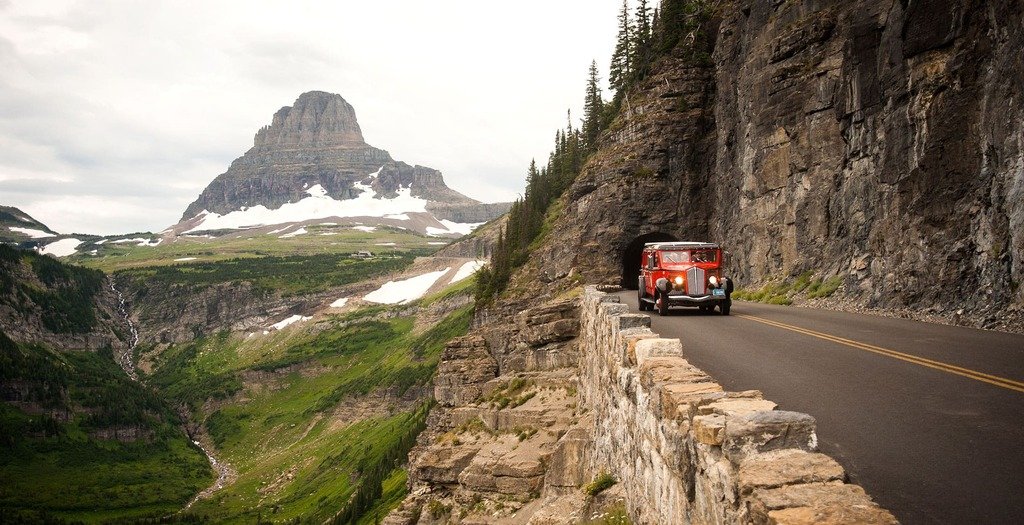
For five years, driving Going-to-the-Sun Road meant booking a vehicle reservation months in advance. In 2026, that requirement is gone entirely. But no reservation doesn’t mean no planning — it means the planning has shifted to a new parking limit at Logan Pass and a new ticketed shuttle option, and knowing the difference between those two things is what actually determines how your day goes.
Whether you’re visiting Glacier National Park for the first time or returning to experience the road again, timing matters just as much as the route itself. From seasonal opening dates and parking restrictions to the best viewpoints, hiking stops, and practical tips for navigating one of Montana’s most spectacular drives, a little preparation can make the difference between a rushed sightseeing trip and an unforgettable day in the park.
Going-to-the-Sun Road at a Glance
| Planning factor | 2026 situation |
|---|---|
| Road | Going-to-the-Sun Road, Glacier National Park |
| Length | About 50 miles |
| Logan Pass | Continental Divide crossing, 6,646 feet |
| Vehicle reservation | Not required in 2026 |
| Logan Pass parking | 3-hour limit, July 1–September 7, weather permitting |
| Express shuttle | $1 ticketed service, booked through Recreation.gov |
| Road access | Seasonal and weather-dependent |
Important: as of the 2026 season, you do not need a vehicle reservation to drive Going-to-the-Sun Road — this reflects the 2026 access policy specifically. Check Glacier National Park’s current conditions before your trip, since access rules have changed before and can change again.
What Changed for 2026?
From 2021 through 2025, Glacier ran a vehicle reservation system to manage access to Going-to-the-Sun Road. For 2026, Glacier no longer requires the vehicle reservation that previously controlled access to the road. The change also applies to other areas that were covered by the former system, including Many Glacier, Two Medicine, and the North Fork. According to the National Park Service, congestion at Logan Pass remained a concern even under the reservation system, prompting a different approach for 2026: rather than controlling vehicle entry to the road, the park is managing parking directly at Logan Pass, the actual pinch point, along with offering a new express shuttle for visitors whose plans don’t fit neatly around the parking limit.
Logan Pass Parking and the New Express Shuttle
The 3-Hour Parking Limit
Starting July 1 through September 7, 2026, weather permitting, parking at Logan Pass is limited to three hours. This is a parking-management rule, not a limit on how long you can spend in the Logan Pass area generally — it’s specifically about how long a vehicle can occupy a parking spot. Three hours can accommodate a short Logan Pass visit, including time around the visitor center and a shorter outing such as Hidden Lake Overlook (subject to current trail conditions), but it may not be enough for longer hikes.
Who Needs the Shuttle?
If you’re planning a short Logan Pass visit — park, take in the area, a short walk, back on the road — the three-hour limit likely won’t affect you and you don’t need the shuttle. If you’re planning something longer, like the Highline Trail or extended alpine hiking, the parking limit doesn’t match how long you’ll actually be gone, and that’s the kind of situation where the new express shuttle can become a useful alternative to parking at Logan Pass.
How the Ticketing Works
The service is a ticketed express shuttle, not a general hop-on-hop-off system replacing private vehicles — book it specifically when your plans require more time at Logan Pass than the parking limit allows. Tickets are handled through Recreation.gov rather than sold in the park, released in an advance batch and a next-day batch. Because exact booking windows and pricing details can shift, check Recreation.gov directly for the current process before you plan a hike around it.
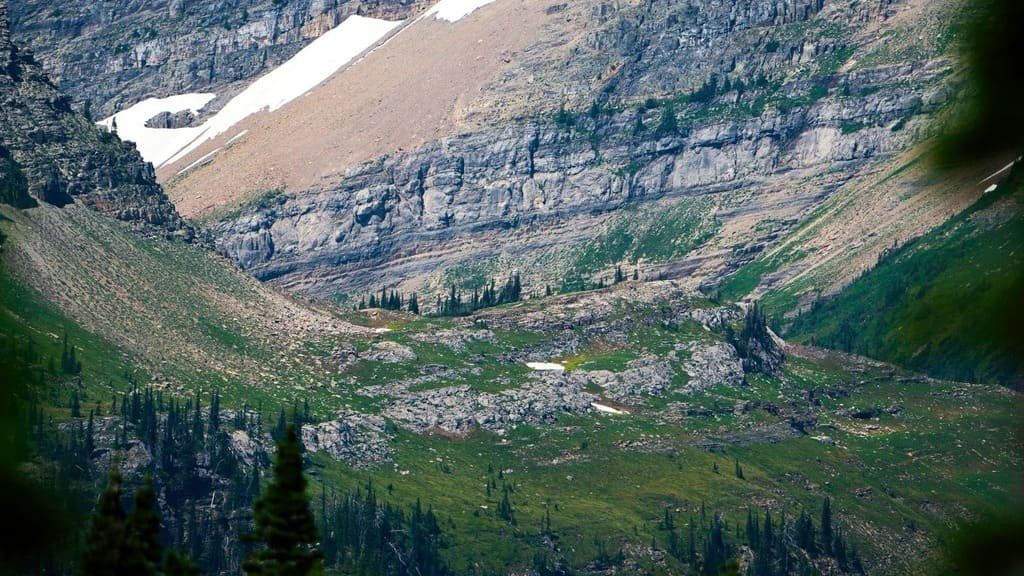
Going-to-the-Sun Road Route Breakdown
West Glacier to Logan Pass
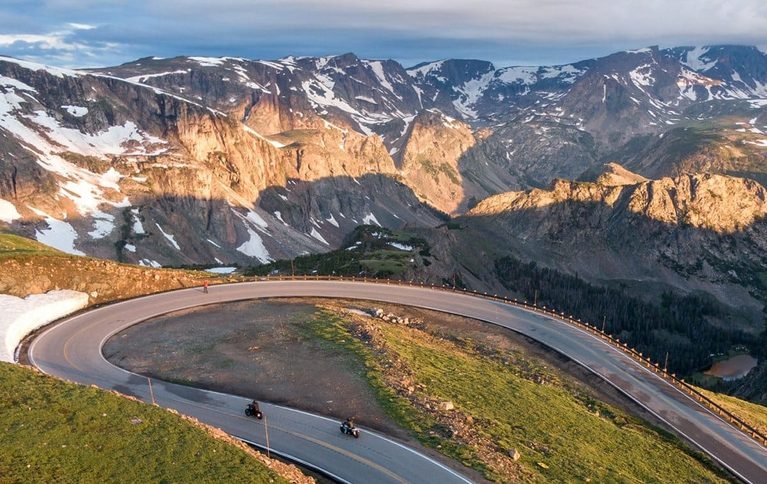
The climb from West Glacier passes Lake McDonald before working through forest and gaining serious elevation. The Loop marks the road’s dramatic switchback partway up, both an engineering highlight and a natural place to stop. Allow extra time here for pullouts and slower traffic — this isn’t a section where the posted distance tells you how long the experience will take.
Logan Pass
The road’s high point at the Continental Divide, with an alpine environment completely different from the valley below. This is also where parking, hiking, and wildlife activity all concentrate, making it the section that actually needs planning. This is the point where a simple scenic drive can turn into a much longer hiking day, so decide your parking or shuttle strategy before arriving.
Logan Pass to St. Mary
The descent toward St. Mary passes Jackson Glacier Overlook and eventually reaches St. Mary Lake, with a noticeably different landscape character on the park’s eastern side than the forested west. If you’re driving the road in one direction, this section provides a useful counterpoint to the wetter, more forested western approach.
Best Stops Along Going-to-the-Sun Road
Lake McDonald — Why stop: an easy first major viewpoint on the western approach, with classic Glacier scenery. Approximate time: 15–20 minutes. Best for: a first look, photography.
The Loop — Why stop: the road’s signature switchback and a good trailhead. Approximate time: 20–30 minutes, longer with a hike. Best for: photography, a stretch break.
Logan Pass — Why stop: the Continental Divide crossing and the road’s centerpiece. Approximate time: varies widely depending on your plans — this is where the parking limit and shuttle decision actually matter. Best for: alpine scenery, hiking access.
Jackson Glacier Overlook — Why stop: a roadside viewpoint with views toward Jackson Glacier when conditions are clear. Approximate time: 10–15 minutes. Best for: a quick, easy stop.
St. Mary Lake — Why stop: a strong finish (or start) with a different landscape than the west side. Approximate time: 20–30 minutes. Best for: photography, a final stop before or after the pass.
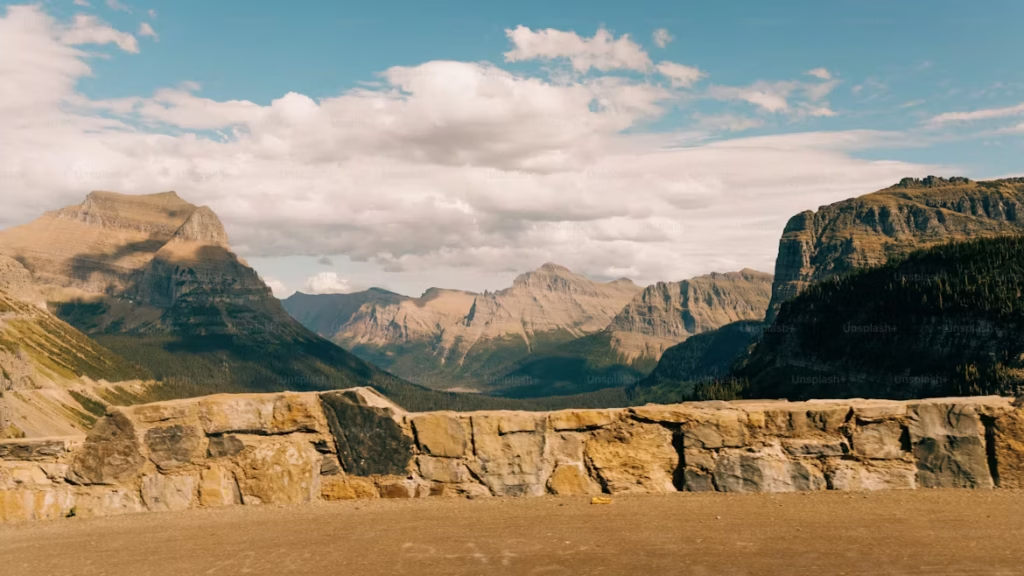
How Long Do You Need?
Drive time isn’t sightseeing time on Going-to-the-Sun Road, and how long you need depends heavily on what kind of day you’re planning.
A drive-through experience — allow roughly half a day as a planning starting point, depending on access, traffic, stops, and current conditions.
A scenic drive with the major stops — a substantial portion of a full day once you factor in Lake McDonald, The Loop, Logan Pass, and the east-side stops.
A drive plus a Logan Pass hike — a full day or more, since a longer hike changes the access equation entirely: Logan Pass parking is managed separately from however long your hike actually takes, which is exactly why the shuttle decision matters for this scenario specifically.
When Is the Best Time to Drive?
Summer offers the broadest practical access to the full road, but opening and closing dates vary with snow, weather, and road conditions rather than following a fixed calendar. Late season can bring changing conditions as the park moves toward its seasonal closure. See our winter road trip planning guide for how Going-to-the-Sun Road’s seasonal closure pattern fits into broader winter route planning, rather than repeating that detail here.
Going-to-the-Sun Road Trip Load
Fifty miles sounds short, but the actual day adds up from more than just driving: stops at the named overlooks, the time Logan Pass itself demands once you factor in parking or the shuttle, wildlife holds that can stop traffic with no warning, and the physical demands of hiking at real elevation once you’re up at the pass. This is what we call Trip Load: the total time, effort, uncertainty, and logistics a route demands beyond its raw mileage.
A wildlife hold in particular is a genuine planning variable, not just an inconvenience — it can shift your arrival time, your parking odds, your meal timing, and whether a shuttle connection still works, all from something you can’t predict in advance. Treat the road as a full day’s experience rather than a straightforward point-to-point transit corridor, and build in buffer accordingly.
If Going-to-the-Sun Road is one stop on a bigger trip, our Best National Park Road Trips guide can help you decide how many parks realistically fit around it. Trail Ridge Road in Rocky Mountain National Park is another high-elevation scenic road where seasonal access and elevation affect planning in similar ways — see our Trail Ridge Road guide if that’s part of your route too.
What to Prepare Before You Go
Download offline maps before you head into the park, since cell service is unreliable along much of the route. Check current road status before you leave and again on the morning of your drive, given how much conditions can shift. Bring water, layers, and sun protection for the alpine environment at Logan Pass, which is a very different climate than the valley floor.
If a longer hike is part of your plan, sort out your parking or shuttle strategy before you arrive rather than figuring it out at Logan Pass itself. Because scenic mountain roads like this one can consume far more time than their mileage suggests, our guide to how many miles you should drive in a day is worth a look when you’re planning the rest of your Glacier itinerary around this road.
Who Should Drive Going-to-the-Sun Road?
This suits scenic-drive travelers, photographers, hikers, first-time Glacier visitors, and anyone comfortable with mountain roads. It takes more planning for visitors with limited time, anyone planning a long hike without a parking or shuttle strategy sorted out first, travelers using larger vehicles who should check the park’s current vehicle restrictions before departure, and travelers relying on a rigid schedule, since weather and wildlife holds can both introduce real delays.
Common Mistakes
- Assuming the old vehicle reservation system is still required in 2026.
- Assuming no reservation means unlimited parking at Logan Pass.
- Treating the three-hour parking rule as a three-hour limit on your entire visit.
- Underestimating how much time stops and wildlife holds actually add to the day.
- Planning a long hike without solving the Logan Pass parking or shuttle question first.
- Assuming the road opens and closes on the same dates every year.
- Relying on cell service instead of downloading maps and information beforehand.
FAQs
Do you need a reservation to drive Going-to-the-Sun Road in 2026? No. You do not need a vehicle reservation to drive Going-to-the-Sun Road in 2026, and the same applies park-wide, though this doesn’t eliminate the need to plan around Logan Pass parking specifically.
Can you park at Logan Pass? Yes. Parking is available at Logan Pass, subject to the applicable three-hour limit and current conditions.
How long can you park at Logan Pass? Three hours during the applicable period. That rule applies to occupying a parking space — it isn’t a limit on how long you can remain in the broader Logan Pass area if you arrive by another permitted method, like the shuttle.
Do you need the new shuttle? Not required — but you may want to use it if your plans extend beyond the three-hour Logan Pass parking window, particularly for longer hikes. Short visits generally don’t require the same access strategy.
How long does it take to drive Going-to-the-Sun Road? The drive itself can take several hours once you account for traffic, stops, wildlife holds, and current conditions — budget half a day for a quick pass-through and a full day if you’re stopping at the major overlooks or hiking.
When does Going-to-the-Sun Road open? Opening and closing dates for Going-to-the-Sun Road vary with snow, weather, and road conditions each year rather than following one fixed date — check current NPS status closer to your trip.
Can you drive Going-to-the-Sun Road in one day? Yes. A full-day itinerary is more than enough for the scenic drive and major stops, but a longer Logan Pass hike requires separate planning around parking or the shuttle rather than being treated the same as a drive-through day.
PLAN YOUR TRIP YOUR WAY
Build a day-by-day itinerary around your time, pace, interests, and budget.
Use our planner to build a Going-to-the-Sun Road itinerary around current road conditions, your available days, and whether Going-to-the-Sun Road is a drive-through stop or the centerpiece of your trip.