An Oregon Coast Road Trip doesn’t have to mean driving all 363 miles of Highway 101 from Astoria to Brookings. You might have a weekend for the north coast, a few days for the central coast, or more time to explore the quieter stretches in the south. The best route depends on how much time you have and what you want to see.
What makes the Oregon Coast so special is how much it changes as you drive. Dramatic headlands and lively beach towns give way to rocky viewpoints, dense forests, sand dunes, and quieter coastal stretches. Rather than treating the coast as one fixed itinerary, this guide will help you choose the route that fits your trip.
Oregon Coast Road Trip at a Glance
| Planning factor | What to know |
|---|---|
| Full route | Astoria to Brookings |
| Highway | US 101 |
| Approximate coastline drive | 363 miles |
| Road character | Mostly two-lane coastal highway, squeezed between ocean and mountains |
| Best for | Scenic driving, beaches, viewpoints, small towns |
| Main planning issue | Weather, landslides, flooding, and construction can affect travel |
| Best general season | Summer for more predictable weather; shoulder seasons offer their own advantages |
A continuous drive from Astoria to Brookings takes roughly eight hours without stopping. That’s the theoretical number — it isn’t the actual road-trip experience, which is closer to a week once you add stops, viewpoints, and towns.
Why Highway 101 Needs Flexibility
For most of its length, US 101 in Oregon is a two-lane road running along a coastline shaped by steep terrain and unstable slopes. That geography makes the highway genuinely prone to disruption — landslides and flooding can close stretches of road, especially during the wetter months, and construction projects run somewhere along the route throughout the year. This isn’t a rare event; it’s a structural feature of the road itself.
Check TripCheck Before and During Your Trip
Before you leave, check ODOT’s TripCheck for the entire section you plan to drive, not just your starting point. Check again the morning of each driving day again, since conditions can shift overnight. And if you’re considering a detour or a more remote stretch mid-trip, check current conditions before committing rather than assuming your original plan still holds. Don’t build an Oregon Coast itinerary with zero schedule flexibility — the road itself doesn’t always cooperate with a tight one.
What to Do If Your Route Is Disrupted
If you run into a closure or a major delay, don’t assume it will clear quickly. Check the official detour information rather than guessing, and work out whether the inland alternative changes your arrival time meaningfully. If you have a fixed accommodation booking, contact the property if the delay affects your arrival time, and keep other reservations flexible where you can.
Choosing Your Oregon Coast Route
These three sections are useful planning divisions, not official boundaries — think of them as a way to break an otherwise overwhelming 363 miles into manageable, distinct trips.
North Coast: Astoria to Lincoln City
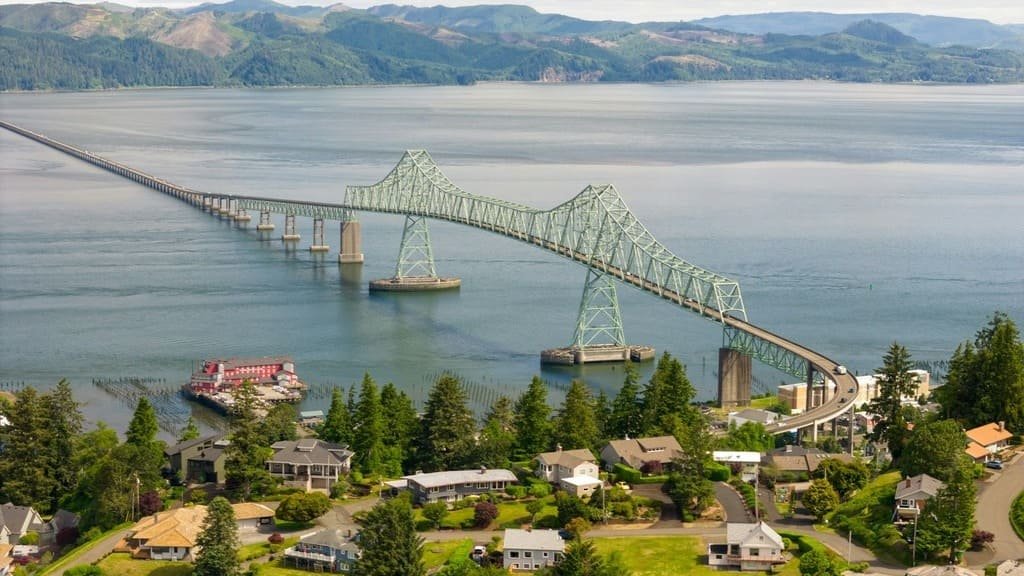
Dramatic coastline, iconic viewpoints, and the easiest access from Portland, which makes this the natural choice for a shorter trip. Astoria sits at the mouth of the Columbia River and has a genuinely different character from the beach towns further south — a working river port with Victorian architecture and maritime history rather than a classic coastal resort.
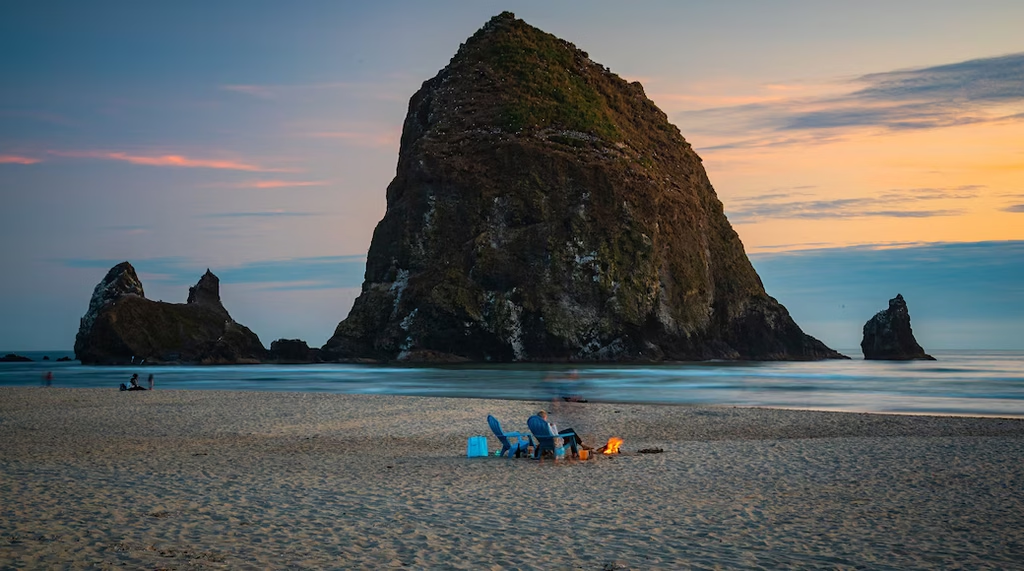
From there, the drive quickly turns scenic: Cannon Beach and Haystack Rock are the section’s signature stop, busy enough that an early arrival matters if you want easier parking. Tillamook is worth a stop for its creamery and cheese-making history, and Lincoln City marks a reasonable endpoint for a weekend trip, with a long stretch of beach and a wider range of lodging than some of the smaller towns further north.
Central Coast: Depoe Bay to Florence
Rocky coastline, dramatic geological features, and some of the strongest scenic-drive scenery on the whole route. Depoe Bay bills itself as having the smallest navigable harbor in the world and is a good base for whale-watching trips if that interests you. Cape Perpetua offers some of the highest coastal viewpoints in Oregon along with short, well-marked trails, and Thor’s Well — a collapsed sea cave that appears to drain the ocean into itself at certain tides — is one of the most-photographed single stops on the entire coast. Yachats is a quieter, less commercial town that works well as an overnight base for this stretch, and Florence sits at the southern end near the start of the Oregon Dunes.
South Coast: Coos Bay to Brookings
Quieter and more rugged, with longer distances between major attractions and a real sense of having left the busier stretches behind. Coos Bay is the largest town on this stretch and a practical base for exploring the Oregon Dunes National Recreation Area just to its south, a genuinely different landscape from anywhere else on the coast. Bandon is known for its dramatic sea stacks and a more low-key small-town feel, and Port Orford offers some of the most rugged, undeveloped coastline on the route before the drive continues on to Brookings near the California border.
Which Section Should You Drive?
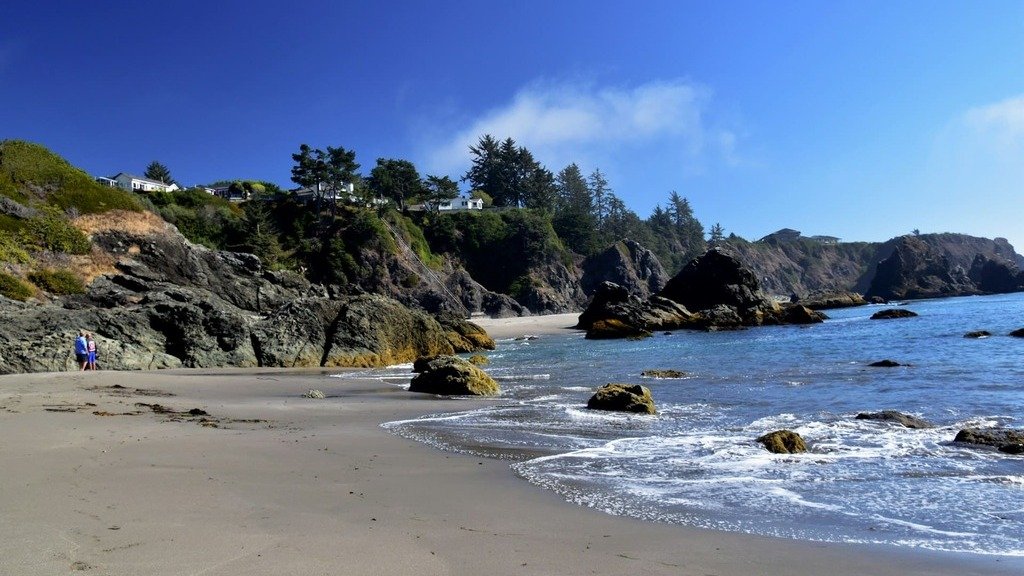
Choose the North Coast if you have a weekend or you’re coming from Portland. Choose the Central Coast if dramatic viewpoints and coastal geology are the main draw. Choose the South Coast if you want a quieter, more rugged trip and don’t mind longer stretches between stops. Drive the full coast if you have enough time that every day doesn’t become a transfer day.
How Many Days Do You Need?
A weekend or 3–4 days works for a focused section, or a faster end-to-end trip if you’re mainly after the drive itself.
5–7 days is a more realistic framework for covering substantial portions of the coast without rushing every stop.
7+ days gives you room to hike, spend time in the towns, and settle into a few chosen bases rather than moving every night. More days should buy you more time in the places you’ve picked, not just more miles covered.
Best Time to Drive the Oregon Coast
Summer brings more predictable weather and longer daylight, but also more visitors, higher lodging demand, and often more construction activity, since crews take advantage of the drier months too.
Spring brings changing weather, green landscapes, and fewer crowds than peak summer in most areas.
Fall is quieter, with dramatic weather moving in and genuine storm-watching opportunities starting to appear, though daylight shortens.
Winter is the season for storm-watching specifically, with dramatic coastal conditions and far fewer visitors — but this is also when landslides, flooding, and road disruptions are most likely, so the seasonal choice is a road-planning decision as much as a scenic one.
Sneaker Waves and Beach Safety
Sneaker waves are unusually large, unpredictable waves that can run up the beach far past where the surf appears to reach, according to the National Weather Service — in some cases over 150 feet up the dry beach. They’re a leading cause of coastal deaths in Oregon, and most fatalities happen between October and April, though they can occur at any time of year.
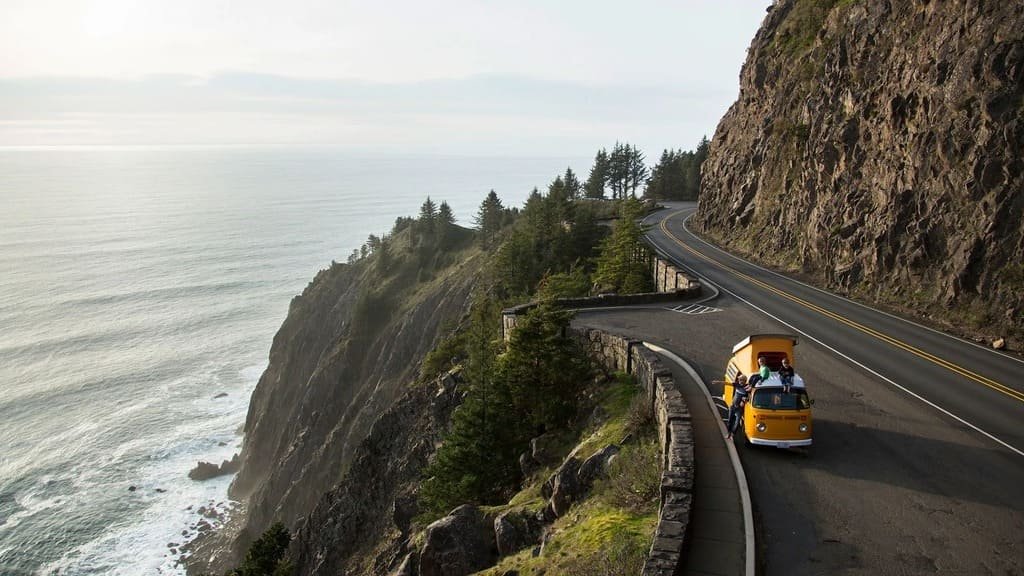
Never turn your back on the ocean, and keep children and pets well back from the waterline. Don’t climb on driftwood logs near the surf — a sneaker wave can lift and roll even a large, waterlogged log without warning. Stay off exposed rocks close to the water, and don’t assume that a calm-looking day means every wave will behave the same way. A short, unplanned stop at a scenic overlook is exactly the kind of moment this risk shows up in, so it’s worth keeping in mind even on a quick photo stop.
Your Oregon Coast Road Trip Load
A day that looks manageable on a map — two hours of driving between two towns — can look very different once you add six viewpoints, two beach stops, a short hike, lunch, and the parking and walking time each of those actually takes. The driving time alone rarely tells you what the day will actually feel like. Plan around the total load of stops, not just the distance between them, and resist the urge to replicate a “10 stops in one day” itinerary just because the pins look close together on a map.
Where to Stay Along the Oregon Coast
North Coast: Astoria offers the most distinct lodging character on the whole coast, with historic hotels tied to its river-port history, and works well if you want a base with more going on after dark. Cannon Beach has the widest range of vacation rentals and boutique inns but also the highest demand — book early for summer weekends. Tillamook and Lincoln City are more practical, budget-friendly bases with easier last-minute availability.
Central Coast: Depoe Bay and Newport both sit close to the section’s main attractions and have a decent range of standard hotels. Yachats is smaller and quieter, better suited to travelers who want fewer options but a more relaxed base. Florence offers more chain lodging if you want reliable availability heading into or out of the Dunes.
South Coast: Coos Bay has the most lodging capacity on this stretch and the easiest access to the Dunes. Bandon and Port Orford both have fewer options, so book ahead in peak season rather than assuming you can find a room the same day, especially if a storm-watching weekend or a local event is drawing extra visitors.
Choose your daily route first, then place overnight stops where they reduce backtracking, rather than picking hotels first and forcing the route to match them.
What to Prepare Before You Go
Download offline maps for stretches with weak cell coverage, check current road conditions before you leave and again each morning, and pack layers and rain protection regardless of season — coastal weather changes fast. Bring comfortable walking shoes, water, and a plan for fuel in the more remote southern stretches. Confirm lodging in advance during summer, and keep your timing flexible rather than locking in a rigid schedule. See our full road trip packing list for the rest of the essentials.
Who Is an Oregon Coast Road Trip Best For?
Oregon Coast Road Trip suits scenic-drive travelers, photographers, and anyone who wants beach towns and dramatic coastline without a rigid schedule. It’s a good match for a Portland-area weekend or a longer Pacific Northwest trip, and less ideal for anyone who needs guaranteed timing with no flexibility, since the road itself doesn’t always cooperate with that.
Common Mistakes
- Treating 363 miles as something you can do justice to in a single day.
- Assuming Highway 101 will always be open exactly as planned.
- Checking road conditions only once, before leaving, rather than throughout the trip.
- Booking every night before deciding how far you’ll actually drive each day.
- Trying to stop at every well-known viewpoint instead of picking a realistic number.
- Underestimating beach and weather conditions, including sneaker wave risk.
- Planning too much driving and too little actual time at the coast.
FAQs
How long does it take to drive the entire Oregon Coast road trip? About eight hours of continuous driving from Astoria to Brookings, though most people take 5–7 days or more to actually experience it with stops.
Do I need to drive the whole Oregon Coast? No — most travelers pick one section (north, central, or south) rather than the full 363 miles, and that’s a perfectly complete trip on its own.
Is Highway 101 ever closed? Sections can close due to landslides, flooding, or construction, particularly during the wetter months. Check ODOT’s TripCheck before and during your trip rather than assuming your planned route is guaranteed to be open.
What’s the best time to drive the Oregon Coast? Summer offers the most predictable weather, but each season has its own character — spring for fewer crowds, fall for quieter travel, and winter for storm-watching, with the tradeoff of higher disruption risk.
Are sneaker waves a real risk? Yes. They’re a leading cause of coastal deaths in Oregon, mostly between October and April. Never turn your back on the ocean and stay well back from the waterline, especially around driftwood logs.
Which section of the Oregon Coast should I drive first? The North Coast is the easiest starting point if you’re coming from Portland or have limited time. The Central and South Coasts each offer a different character if you have more time or want a quieter trip.
PLAN YOUR TRIP YOUR WAY
Build a day-by-day itinerary around your time, pace, interests, and budget.
Use our trip planner to choose your section, available days, and pace, and build a route around the Oregon Coast you actually want to experience.