
The Harriet Tubman Underground Railroad Byway winds 125 miles across Maryland’s Eastern Shore, tracing the landscape where Harriet Tubman was born into slavery around 1822 and later risked her life repeatedly to lead others to freedom.
The Federal Highway Administration recognized the route in 2009 as one of the best driving tours in the country, citing both its scenic and historic value. The byway includes 45 historically significant sites, many connected directly to Tubman’s childhood, her escape, and her later work guiding others north.
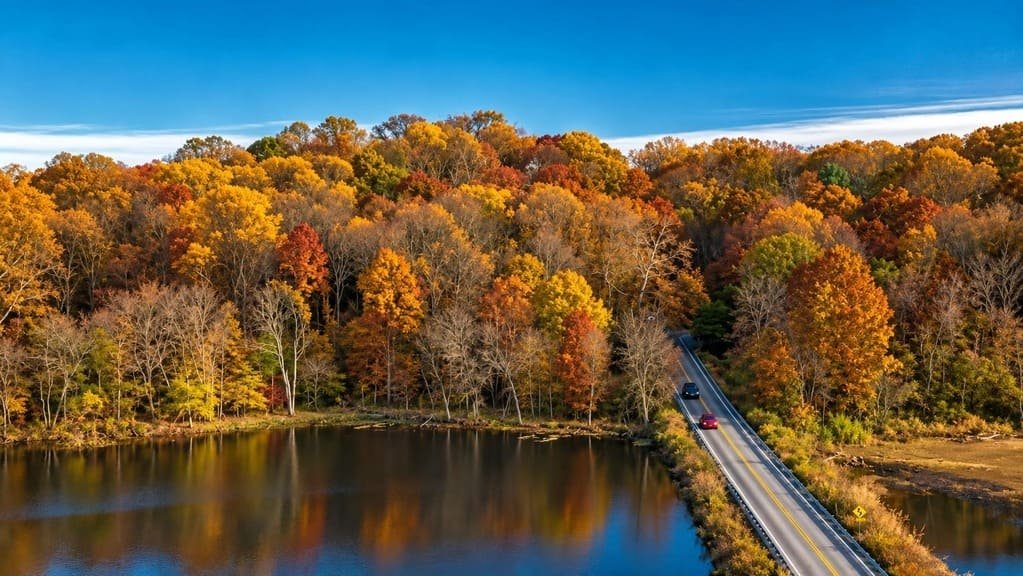
What sets this drive apart is how unchanged the landscape remains. The marshes, woodlands, and waterways Tubman moved through at night to avoid capture still look remarkably similar today, giving the byway a weight that few historic drives can match. The route begins in Cambridge, winds through Dorchester County’s rural heart, and continues north into Delaware and Pennsylvania, following the same general path Tubman and others took toward freedom.
It’s a drive built for reflection as much as sightseeing, with stops ranging from a modern national park visitor center to quiet rural road markers that ask travelers to simply stop and take in the same woods and water Tubman once navigated in the dark.
Route Details: Harriet Tubman Underground Railroad Byway
Cambridge and the Dorchester County Visitor Center (0 miles)
The byway begins at the Dorchester County Visitor Center in Cambridge, with exhibits on Maryland’s history of slavery alongside water views over the Choptank River. The Harriet Tubman Museum and Education Center downtown and the Harriet Tubman Memorial Garden are both short stops nearby before heading out of town.
Church Creek (12 miles)
Church Creek was once a thriving shipbuilding center, and the byway passes through its historic core before reaching the route’s main hub. Malone’s Church, an early African American congregation nearby, is one of several historic churches along this stretch.
Harriet Tubman Underground Railroad Visitor Center (18 miles)
The Harriet Tubman Underground Railroad National Historical Park and Visitor Center, which opened in 2017, is the fullest stop on the entire byway, with a theater, exhibits covering Tubman’s life from childhood through her Civil War service, and an outdoor nature path through woods and marsh similar to what she once traveled at night.
Blackwater National Wildlife Refuge (22 miles)
Blackwater National Wildlife Refuge preserves forested wetland terrain that gives a direct physical sense of what enslaved people fleeing north had to navigate, often at serious risk. It’s one of the most evocative stops on the drive, not just a scenic overlook.
Bucktown and the Brodess Farm (30 miles)
Near Bucktown, the former Brodess Farm is where Tubman was enslaved as a child. It’s one of the most direct, personal connections to her story found anywhere on the byway, and a short detour off the main road.
Little Blackwater Bridge and Bestpitch Ferry Bridge (35 miles)
The Little Blackwater Bridge and the Bestpitch Ferry Bridge in the rural stretch near Bucktown mark river crossings Tubman and others would have used or avoided during their escapes. These quieter sites reward slowing down and reading the roadside markers rather than expecting a built-out attraction.
East New Market and Caroline County (55 miles)
Heading north and east, the byway passes through East New Market before entering Caroline County, where the landscape shifts from Dorchester County’s marshland toward drier farmland typical of the Eastern Shore’s interior.
Poplar Neck (65 miles)
Historians believe Harriet Tubman spent time in the Poplar Neck area while working for Dr. Anthony C. Thompson’s family in the years before her escape. It’s a quieter, less-visited stop that adds depth to the earlier Cambridge-area sites.
Delaware and Pennsylvania continuation (90-125 miles)
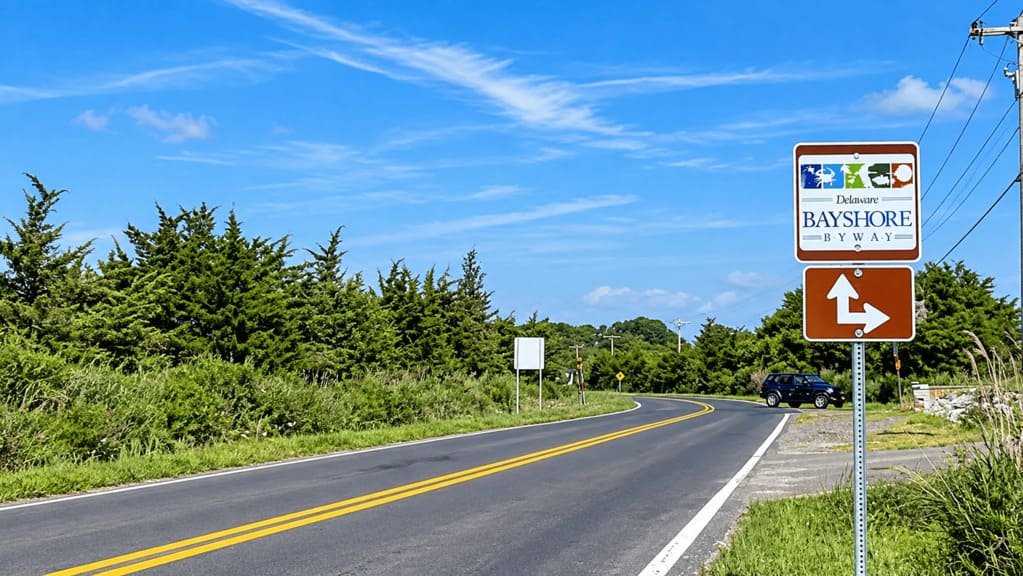
The byway continues north out of Maryland into Delaware, where a connected Harriet Tubman Underground Railroad Byway carries the same story forward, before the route crosses into Pennsylvania near the historic Underground Railroad corridor that led toward Philadelphia, the city Tubman first reached after her own escape in 1849.
Use the trip planner to build a day-by-day itinerary based on your available time and starting point.